



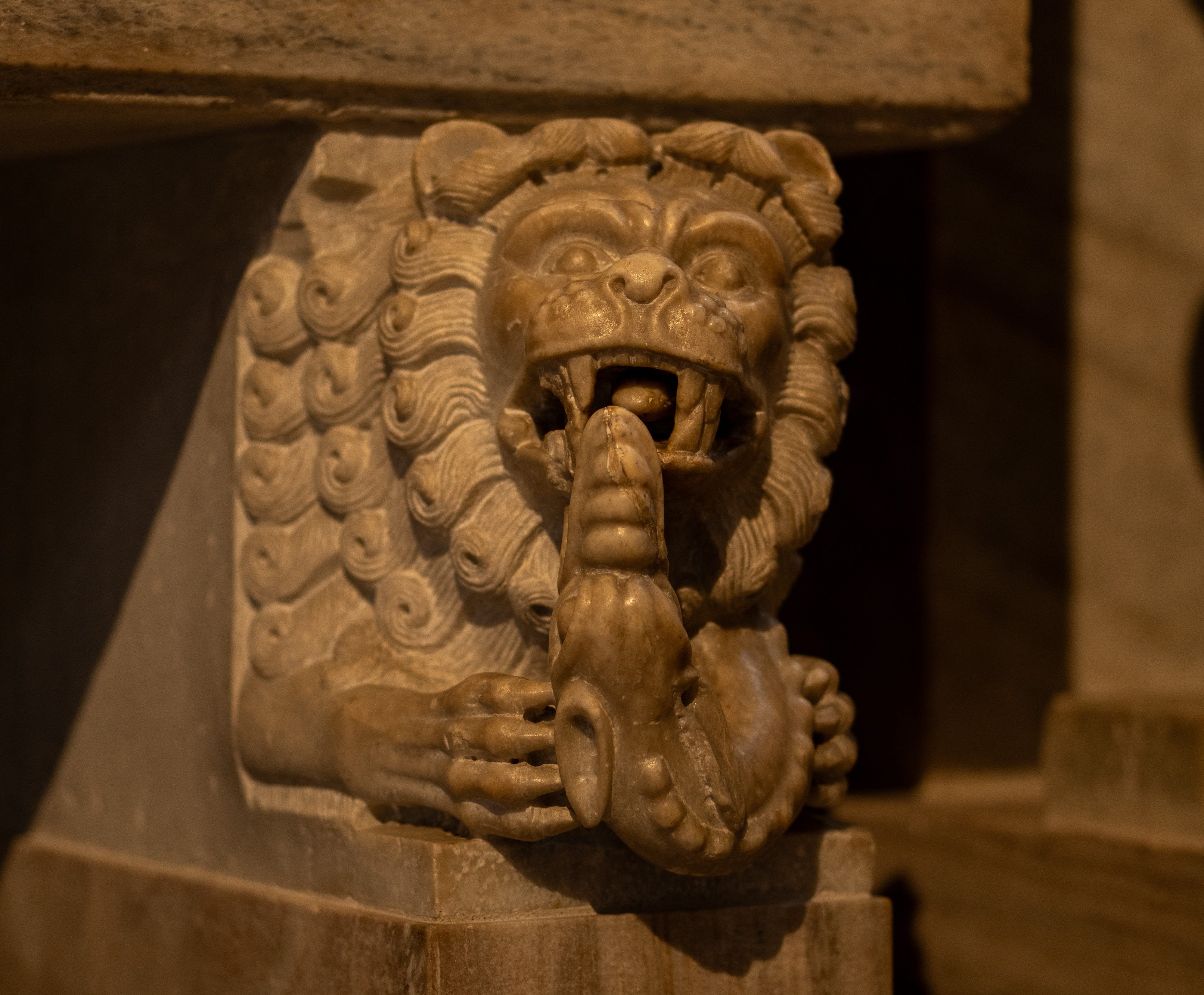
And the Lord said to Moses, ‘Stretch out your hand over Egypt so that locusts swarm over the land and devour everything growing in the fields, everything left by the hail.’
-Exodus 10:12
You weren’t put on the earth to consume it.
Yet this is how most people live their lives. The modern world is designed to encourage laziness and consumption, and wants you to treat the things under your care as disposable. Like locusts who feed and leave barrenness in their wake, once a thing becomes worn out or broken, most people discard it and move on.
But that is not what you were called to do. In Genesis, God places humanity in the garden not merely to eat fruit and lounge around, but to cultivate and maintain his creation. Likewise, you were not meant to be a mere consumer, but a caretaker. It’s a call to a real relationship with the earth, one with give and take.
Think about it. When was the last time you saw yourself as in relationship with the things under your care? Not just an owner, but a steward? It’s a relationship that doesn’t end at forests or fields, but extends to the ordinary things of life: everything from your furniture to your fabrics can benefit from your attention.
Today, we explore how the way you treat your possessions reveals whether you live as a consumer or a caretaker, and how to become more like the latter…
Our mission here at Letters from the Old World is to share the secrets of Old World elegance, and our approach is two-fold:
1) Every Wednesday, we send a free article exploring the theology and philosophy of why beauty matters, particularly in regards to decor and dress.
2) Every Friday, we send What’s In a Fit, a members-only article exploring practical tips and guidelines for dressing well.
If this resonates with you, then subscribe below to join the aesthetic renaissance.
Relationship, Not Transaction

In Genesis 1:26-28, God gives man “dominion over the fish of the sea, and over the fowl of the air, and over the cattle, and over all the earth” and tells him to “replenish the earth, and subdue it.” Though these passages show that the world is meant for man, its strong language can overshadow the fact that man also has a duty to the world.
In fact, when paired with Genesis 2:15, where God places man in the garden of Eden “to cultivate it and keep it,” man’s role becomes much clearer. In Hebrew, the words used for cultivate and keep are ābad and šāmar, which carry notions of both working or serving as well as to preserve and guard, respectively.
This tells us that, from the start, man’s duty towards the world was custodial, a task of regeneration and maintenance of what God has made. But rather than a caring relationship, where both parties sustain one another, most people view the world through an extractive, transactional lens.
So how did we get here?
From Garden to Garbage Heap
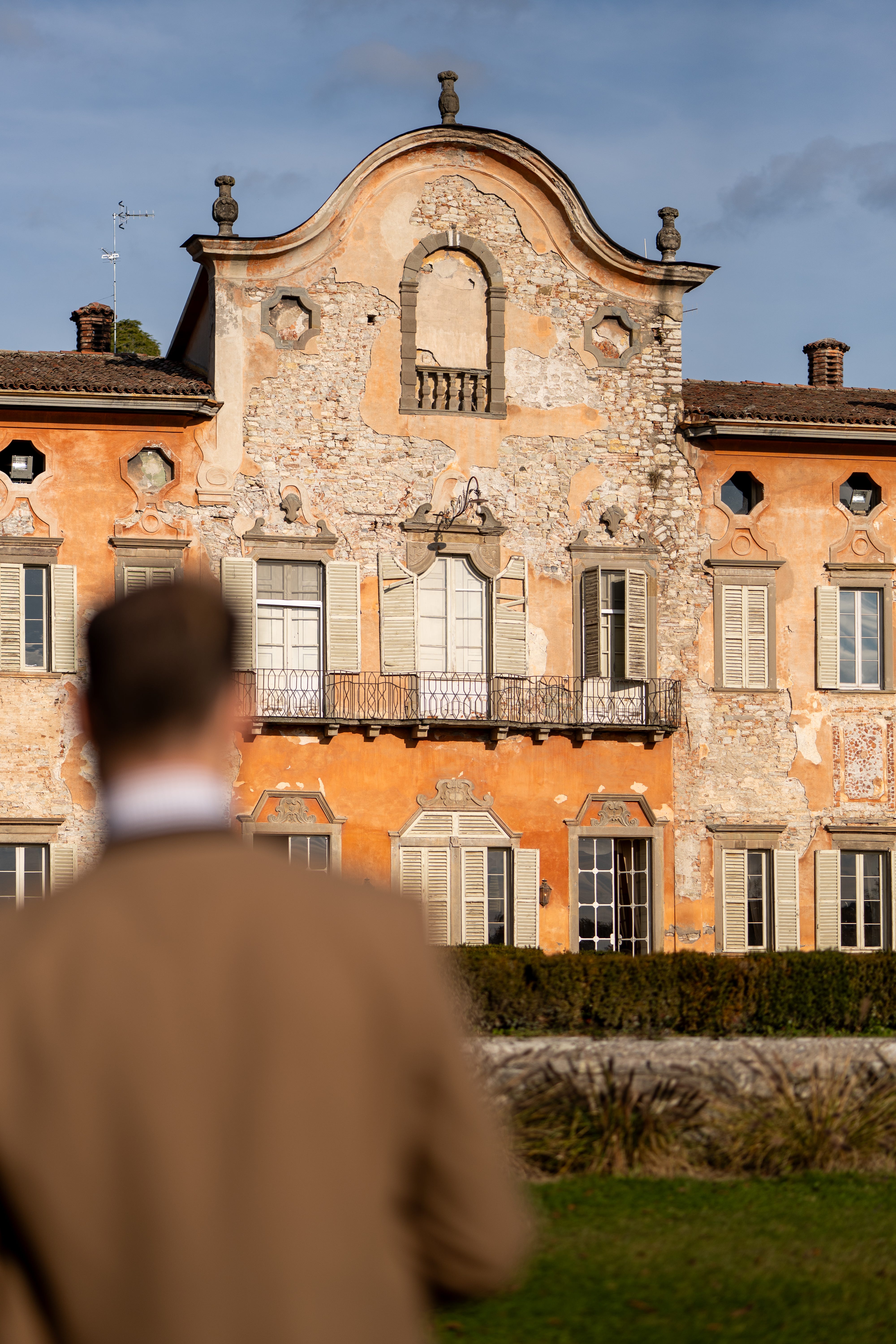
In order to have leisure and pleasure, we have mechanized and automated and computerized our work. But what does this do but divide us ever more from our work and our products – and, in the process, from one another and the world?
–Wendell Berry, Economy and Pleasure
The average American now produces 4.9 pounds of waste a day, roughly 1788 pounds a year, most of which will stay with us for centuries. And thanks to planned obsolescence, those piles are only encouraged to grow, so long as they remain out of sight.
This places a wedge between you, the things you buy, and the downstream effects of their production. It no longer feels like a personal responsibility to preserve and maintain your small corner of the earth. The systems you inhabit hide their fruits while demanding churn and consumption in place of stewardship. Indeed, so long have we disregarded our duty that it has led to absurd scenes, like literal flaming mountains of clothes popping up in Chile:
Say what you want about the complexity of navigating consumerism, but fiery fabric mountains probably aren’t God’s idea of stewardship.
As Wendell Berry points out in the quote at the top of this section, the distance between the world and modern humans has made us less able to do things for ourselves. After all, the more needs you can’t address yourself, the more you need to pay someone else to do it for you and the more money changes hands.
So how can you be a caretaker if the world is set up to eliminate your agency? The answer is to start small. Carve out an enclave of independence for yourself, first by prioritizing quality items that can be repaired and maintained, and then by learning how to take care of them. In doing so, you not only keep your goods from contributing to the landfills that dot the landscape, but you act out a microcosm of your larger duty to preserve and maintain the world.
But what does this look like in practice?
Clothing as a Case Study
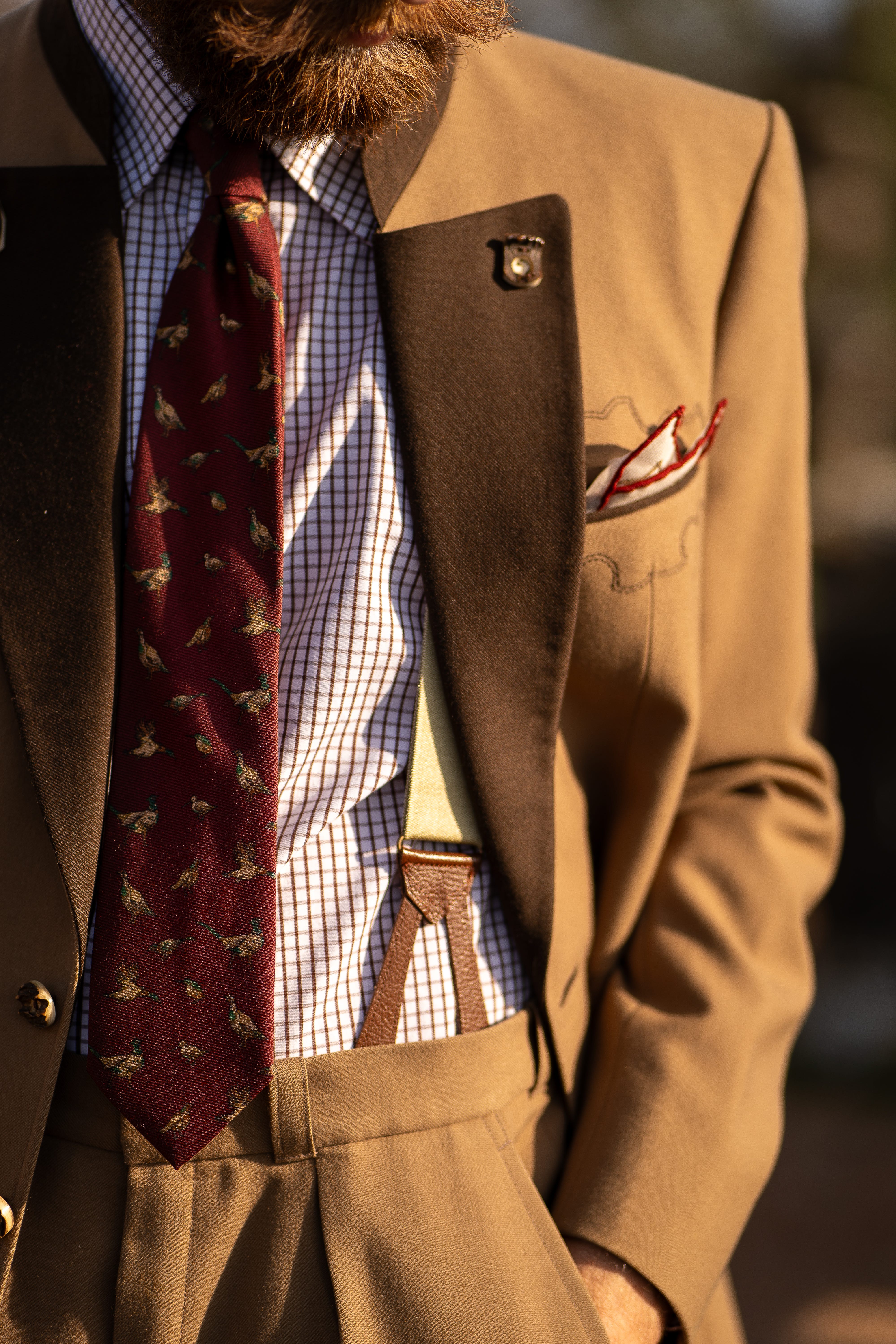
If you’re new to the idea of maintaining your things, clothes are a great place to start. Like faithful companions, they accompany you through your days and acquire a bit of your character (scars and all) by virtue of this. In his book True Style, author G. Bruce Boyer writes:
Longevity and maintenance go hand in hand. It’s often said that clothes are like friends: they become more dear with age. But clothes and friendships must both be kept in repair too. They must be attended to, treated with respect, tenderness, and loving courtesy. A small tear should be dealt with, or it may turn into an unmendable rupture.
If you’d like to treat your clothes as the “friends” they are, take a page from Boyer’s book and start small. Researching clothing maintenance can be as simple as learning what to do with that wine stain or loose zipper. The internet is filled with tutorials on every conceivable sartorial hangup, and if you prefer analog, resources like Boyer’s True Style often include whole sections dedicated to maintenance.
Even if you’re absolutely hopeless when it comes to fixing things, you can still choose to buy from companies that will help maintain what you buy. Companies like Patagonia, for instance, offer not only DIY repair tutorials, but will even repair your clothes for you for the cost of shipping your garment.
Of course, there are still some experts you’ll need to enlist for trickier issues. To that end, finding a good tailor or dry cleaner is another step in the right direction. As a bonus, when you create a real, local relationship with a few trusted individuals, they can help you navigate future issues with a minimal amount of confusion.
This spirit isn’t limited to clothes, of course. Whether it’s fixing loose book bindings, repairing a crack in a wall, or keeping your dinnerware from tarnishing, the approach is the same. Anything that can be reasonably preserved should be, and there are tutorials galore on the internet for all of it.
Once you’ve acquired the instinct to fix rather than fritter away, you’ll find that the more you learn to take care of your possessions, the more they’ll take care of you.
Leaving a Legacy
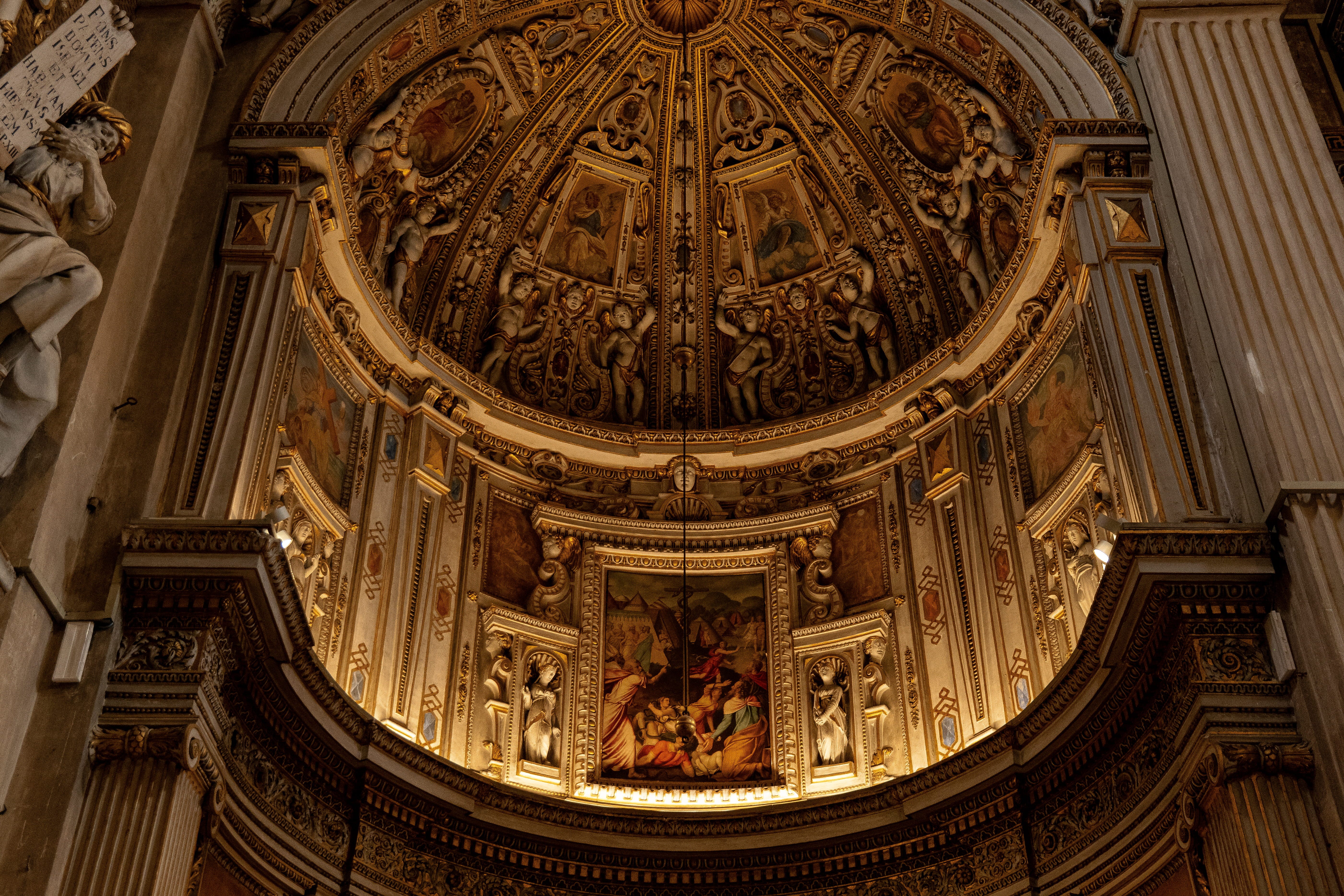
The benefits of this approach aren’t limited to just you and the planet. They go towards future generations as well.
There once was a time when parents could hand down heirlooms to their children: family portraits, old books, precious jewelry, etc. All of these things required work to maintain, but the idea was that you did so because your ownership of them was not the final word. The slogan of the watch brand Patek Philippe is the perfect embodiment of this spirit:
You never actually own a Patek Philippe. You merely look after it for the next generation.
The things you’ll pass on to your children are unlikely to be plastic and disposable. So ask yourself: what would you like to leave for future generations, and how can you ensure those things make it that far?
Faithful in the Small Things

He who is faithful in very little is faithful also in much.
-Luke 16:10
You were not placed on the earth as a locust to consume it, but as a human to keep it. This responsibility is not just for farmers and environmentalists, but scales down to the small, everyday things in your care as well.
You don’t need to overhaul your whole life to start maintaining your things you own. Start simple, start small. Learn how to properly treat that wooden dresser that’s showing its age, or how to polish leather shoes to maintain their shine. Whatever you pick, know that the benefits ripple far beyond your doorstep.
When you enter into your proper role vis-à-vis the things in your care, it starts you down a path towards responsible stewardship, and a real relationship with the world around you. It probably won’t save the planet on its own, but learning to care for your small corner of the earth is a humble reminder of your role within it.
Both economy and ecology come from the Greek word Oikos, house/household. The NOMOS of the Oikos and the LOGOS of the Oikos both involve limits as well as rules and obligation through time for a household… this essay is an excellent articulation of that concept!
Very interesting but flawed article. You keep quoting scripture but keep emphasizing everything but GOD. "I am the Lord Your God...there is no other". THIS INCLUDES EARTH WORSHIP. Put God first in your Life and in all that you do Modernist.