

How to Master Pattern Mixing
Part 1: Mixing two patterns


The good news is that in order to dress well one does not have to brandish a tapestry of pattern; the bad news is that if one wants to develop a unique and enduring dressing style, familiarity with the prerogatives of pattern is a must.
-Alan Flusser, Dressing the Man
If there were a menswear equivalent to “it’s all fun and games until…”, it’d be something like this:
Every man thinks he’s a good dresser until patterns get involved.
Stripes, checks, paisleys, and polka dots are fun to have in your wardrobe, but they all too readily get relegated to “safe” combinations. Indeed, some men spend their entire lives avoiding the wild west of pattern mixing: a solid colored shirt is the only thing they’ll ever pair with a paisley or regimental tie.
Not if I can do anything about it! Fear of patterns delenda est, as the Romans say. That’s why today, we begin a series on pattern mixing mastery that will be continued over the coming weeks.
We’ll start by learning how to pair two patterns, then three, then four. To the surprise of many, it’s not actually rocket science. There are concrete rules you can follow to keep you within safe boundaries and ensure you look classy no matter what you wear.
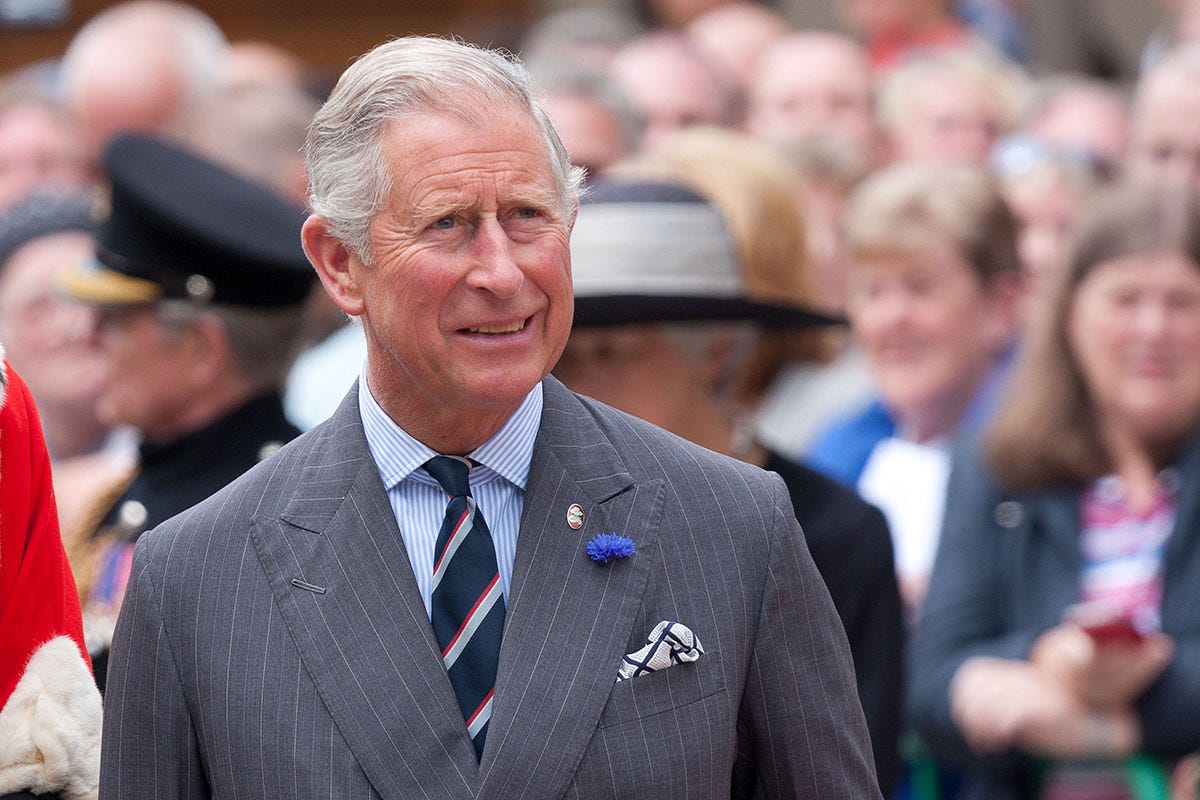
But why does pattern mixing matter in the first place? Apart from the practical aspects of lending versatility to your wardrobe and increasing the number of outfits you can wear (especially helpful when traveling), pattern also affords a degree of tasteful informality. When used with clothes typically considered formal or dressy, it works wonders; imbuing a traditionally elegant ensemble with an air of nonchalance.
Mastering the basics of pattern can be tricky, since it’s a skill learned principally through trial and error. So let’s start with the basics: how do you pair two patterns? How do the rules change when they’re similar patterns (ie., both stripes) as opposed to different ones?
We answer these questions and more in today’s edition of What’s In a Fit…
