



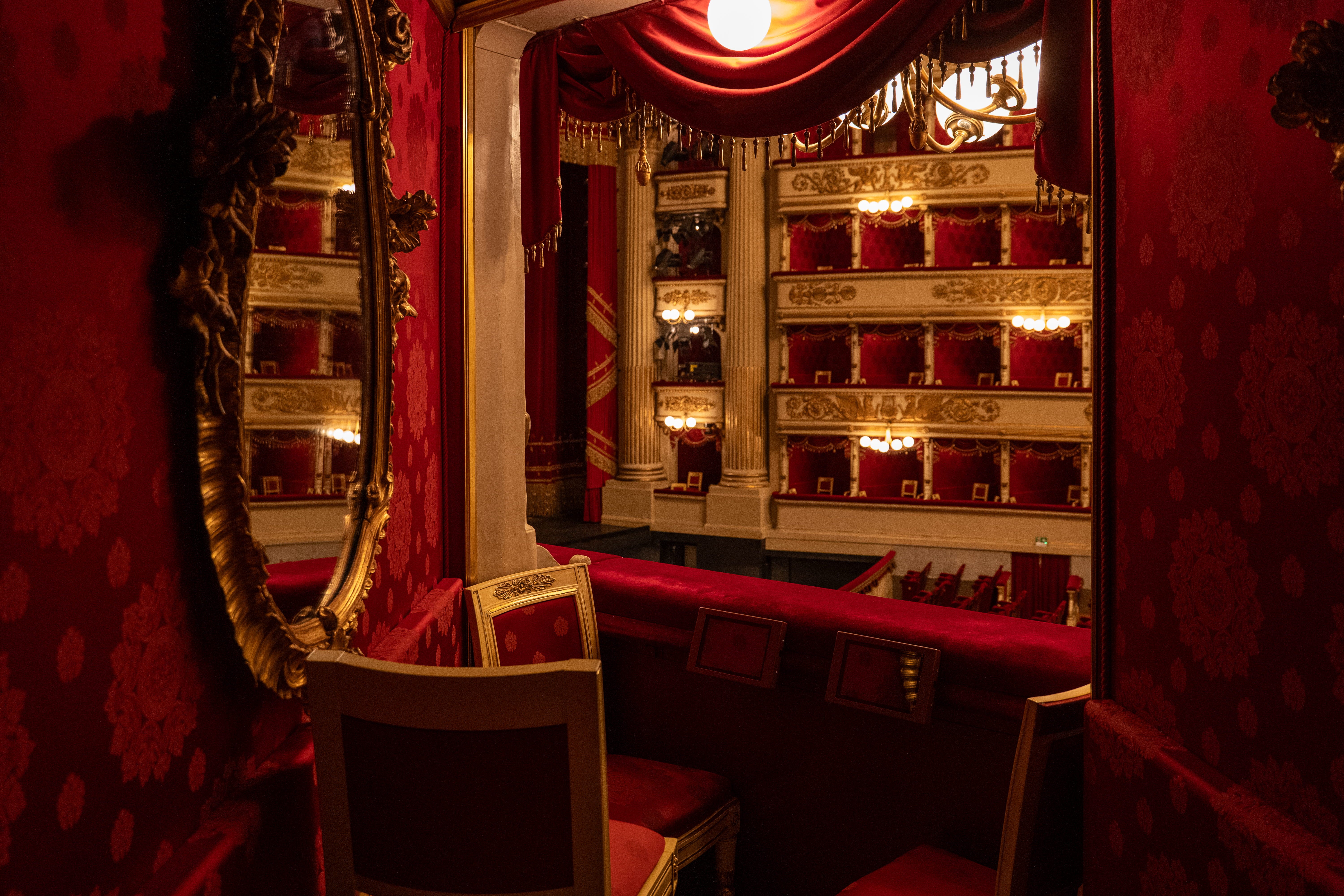
For most people, terms like ornamentation and decoration have become synonyms for indulgence at best, and vanity at worst. In art, décor, and dress, we’re told the mature thing is the stripped-down, clean look of the utilitarian. Rothko over Rococo. Form follows function, etc, etc.
But this assumption is based on flawed premises. Stripped down cities aren’t progression as much as they are aggression. Rejecting the decorative harms both people and their cultures, and misunderstanding the benefits of small touches costs you dearly. By abolishing ornamentation from your environment, you make yourseld sicker and sadder, and unknowingly abandon an important aspect of civilizational self-expression.
Today, then, we explore the history of why western culture abandoned ornament, why you suffer because of it, and what you can redo to reclaim the art of ornament. As you’ll see, it’s something worth fighting for like civilization depends on it — because it does.
Our mission here at Letters from the Old World is to share the secrets of Old World elegance, and our approach is two-fold:
1) Every Wednesday, we send a free article exploring the theology and philosophy of why beauty matters, particularly in regards to decor and dress.
2) Every Friday, we send What’s In a Fit, a members-only article exploring practical tips and guidelines for dressing well.
If this resonates with you, then subscribe below to join the aesthetic renaissance.
The Man Behind The Unadorned Curtain

If you frequent certain online architecture circles, the name Adolf Loos will already be familiar to you as the man many blame for the blandness that overtook architecture in the 20th century. Loos, an Austrian architect, is best remembered as the author of Ornament and Crime, an essay where he argued that decorative touches were a step backwards in culture. For Loos, ornamentation was something to be left to the “primitives” of the world, and he believed the more advanced a civilization became, the less adorned it would be: “The evolution of culture is synonymous with the removal of ornament from utilitarian objects.”
The charges against decoration were that it necessarily made objects appear of their time and would therefore render the useful object they adorned prematurely obsolete once fashions moved on. Modern ornament, he wrote, “has no parents and no progeny, no past and no future. By uncultivated people, to whom the grandeur of our age is a book with seven seals, it is greeted joyfully and shortly afterwards repudiated.“
He also decried it as “a waste of human labour, money, and material” to create such elements, which he claimed had been divorced from real culture (in 1910, no less!).
Loos’ work evidenced his theory, and can be seen in the barefaced buildings he designed. His theories eventually promulgated and spread via the Bauhaus movement, trickling out into wider culture. The end result is that decades later, there is now an active pushback against the “minimalist fatigue” that the aesthetically attuned have felt.
Ironic it took so long, as even in his essay, Loos writes of his surprise at his audience’s reaction to the “good news” that the decorative was dead: “I believed that with this discovery I was bringing joy to the world; it has not thanked me.”
But why would Loos expect people to thank him, when his ideas have provably made us worse off?
Why Bare Walls Bother You
We shape our buildings and afterward our buildings shape us.
–Winston Churchill
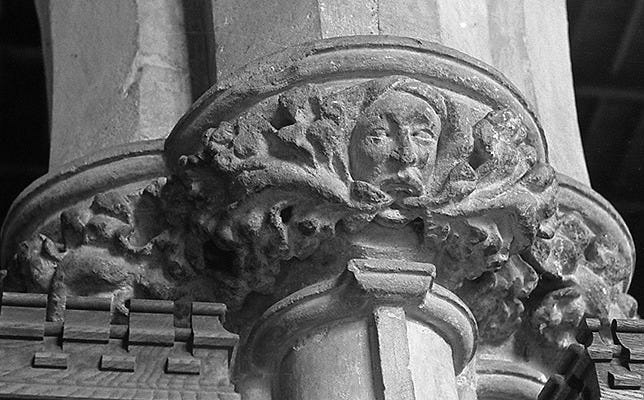
One study from 2025 looked at what effect biophilic elements, things which replicate or incorporate nature, like floral patterns or the appearance of woodgrain, had on participants. One important takeaway was that the absence of such elements elicited negative emotional reactions, like stress and poorer moods which the researchers posit could be contributing to sick-building syndrome.
Another was that the more biophilic elements were present, the better people felt in those environments. Participants reported feeling more relaxed, less fatigued, feeling safer as well as more inspired an upbeat. In short:
Non-biophilic environment worsened the affective states, whereas the enhanced biophilic environment improved it gradually in terms of perceived stress reduction, regaining attentional resources, feelings of safety and inspiration.
Such studies lend credence to the theory of biophilia, which believes you have a built-in attraction to being around natural, living systems and their complex patterns, the kind emulated by natural motifs in architecture, art and design. It explains why so much of pre-modern composition draws inspiration from nature. It’s not just that the environment was a convenient source to draw from, it’s that humans naturally feel more at ease in these types of environments.
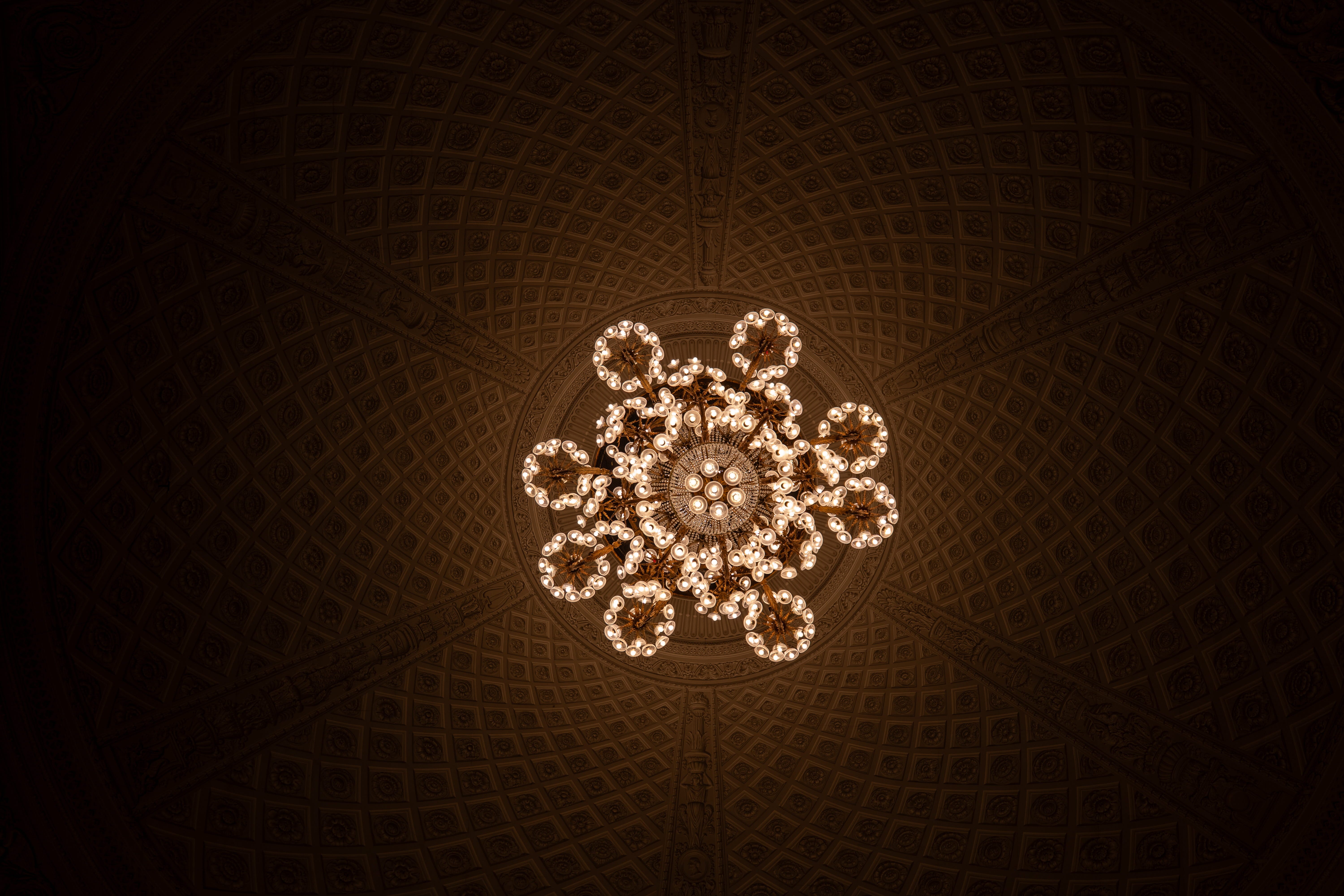
It follows then that when buildings replicate or adopt details from nature, like winding lines, branching parts or intricate flowers as flourishes, you feel better. As every region has its own nature, it also has its own culture, and both have grown in tandem to the point that the latter is often an expression of the former. Just think of the green man motif found across England, or the fleur-de-lis that populate French friezes, fences, and flags. These decorative elements speak to you in a language that is unique to its culture.
On the opposite end of this spectrum lies brutalism, an architectural punching bag of late, and with good reason. Brutalism favored towering gray structures of bare concrete with little detail, utility above all else, a perfect encapsulation of the worst elements of the urban landscapes which emerged in the 20th century.
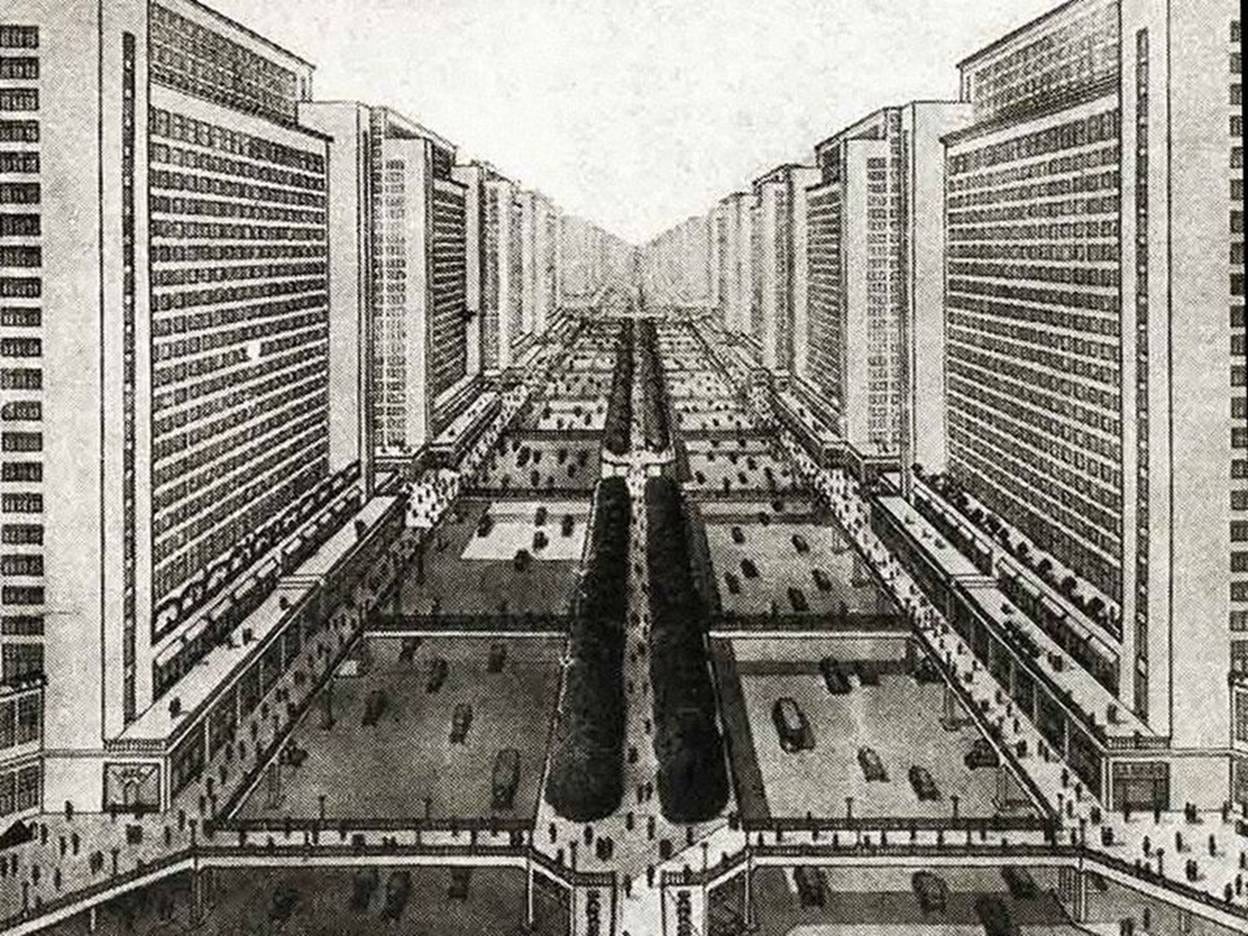
The visually bare structures could lead to a host of issues, like high blood pressure or long term illness, based off what we know about the effects of visual blandness-induced boredom. Professor James Danckert, a researcher on the subject of boredom, called brutalism the “apex of architectural monotony” and recommended urban designers steer clear of it for everyone’s sake: “Avoiding this monotony and brutalism will give us a vista that invites curiosity and discovery as opposed to revulsion.”
While that revulsion may feel partly instinctive, there’s another reason for it, one that explains why these buildings bother you, and potentially why Loos and his ilk directed culture down this path to begin with.
Ornamentation as Culture
The environment may be personalized to bring it into contact with man, or man may be dissolved into his environment.
–Philip Rawson, An Exalted Theory of Ornament
Philip Rawson, a dean of the School of Art and Design, Goldsmiths, University of London, writes in his 1967 essay An Exalted Theory of Ornament that “ornament” had become a dirty word in the five decades since Loos’ jeremiad against it. Rawson sought to rehabilitate the term from what he called the ‘puritan’ aesthetic, which had “thrown out the baby with the Victorian bathwater.”
Rawson argued that far from being superfluous, ornamentation is a necessary function of artistic endeavors. He separates the experience of ornamentation into two parts: Ornament itself, which is the sensuous, decorative elaboration of form that elevates and enhances, and tenor, the underlying notions or associations the ornament evokes.
Interestingly, Rawson posits a catalyst for those who, like Loos, began to reject ornamentation as primitive and uncivilized in the early 1900s. According to Rawson, soon after the start of the 20th century, westerners were suddenly introduced to a wealth of art from all over the world whose forms they could not properly understand or appreciate:
There may have been something about, say, a Baga mask which awoke a few echoes in their minds. For these masks still represented numinous faces. That is, there was a tenor of some kind available to carry the image across to them. But there was too much missing. There were no memories or associations in a Western city-dweller’s mind related to the shapes of and to the feelings connected with the gourds, shells or horns which the forms were intended to evoke in the minds of the original customers.
The forms, therefore, seemed merely significant in a general way and the fact that a face served as a tenor seemed merely irrelevant, because the European had never known it used as the face of a dancing and moving spirit-figure which would both locate it and arouse vivid responses. […] “Expression’ is the only thing we can call this. The tenor has been dismissed as irrelevant. The magnificent figurative ‘ornament’ of meaningful associations is simply not there. And so we Europeans told ourselves there was no “message’ to get.

Seeing the elaborate ornamentation of foreign cultures, without being able to appreciate their tenor, meant that westerners concerned with art and aesthetic began to associate the decorative with the primitive, as Loos had. This rejection of the possibility of tenor in other works due to Western ignorance of it inevitably led to the rejection of tenor in Western works as well.
This is how elements like the green man motif and complex, carved frontispieces became vestigial appendages of a less civilized time, tolerated at best. The result was the creation of art and architecture bereft of ornamentation, stripped of the decorative forms that once gave them warmth, identity, and cultural meaning. Ironically, in their attempt to appear civilized and cultured, those same thinkers were undermining one of the greatest expressions of culture.
As a result, culture is lost as far as ornamentation and its tenor are rejected, something that people know intuitively even if they can’t say so. Research by IPSOS on public attitudes to beauty found that both history and memory were important factors in whether a placed was beautiful or not. They noted that there was an expressed preferences by those they interviewed for older buildings rather than newer ones, which were seen as bland and demonstrating less care and attention in their creation. The report stated that “when there is a shared history, feeling of community and pride in a place, people are more likely to say they experience beauty there.”
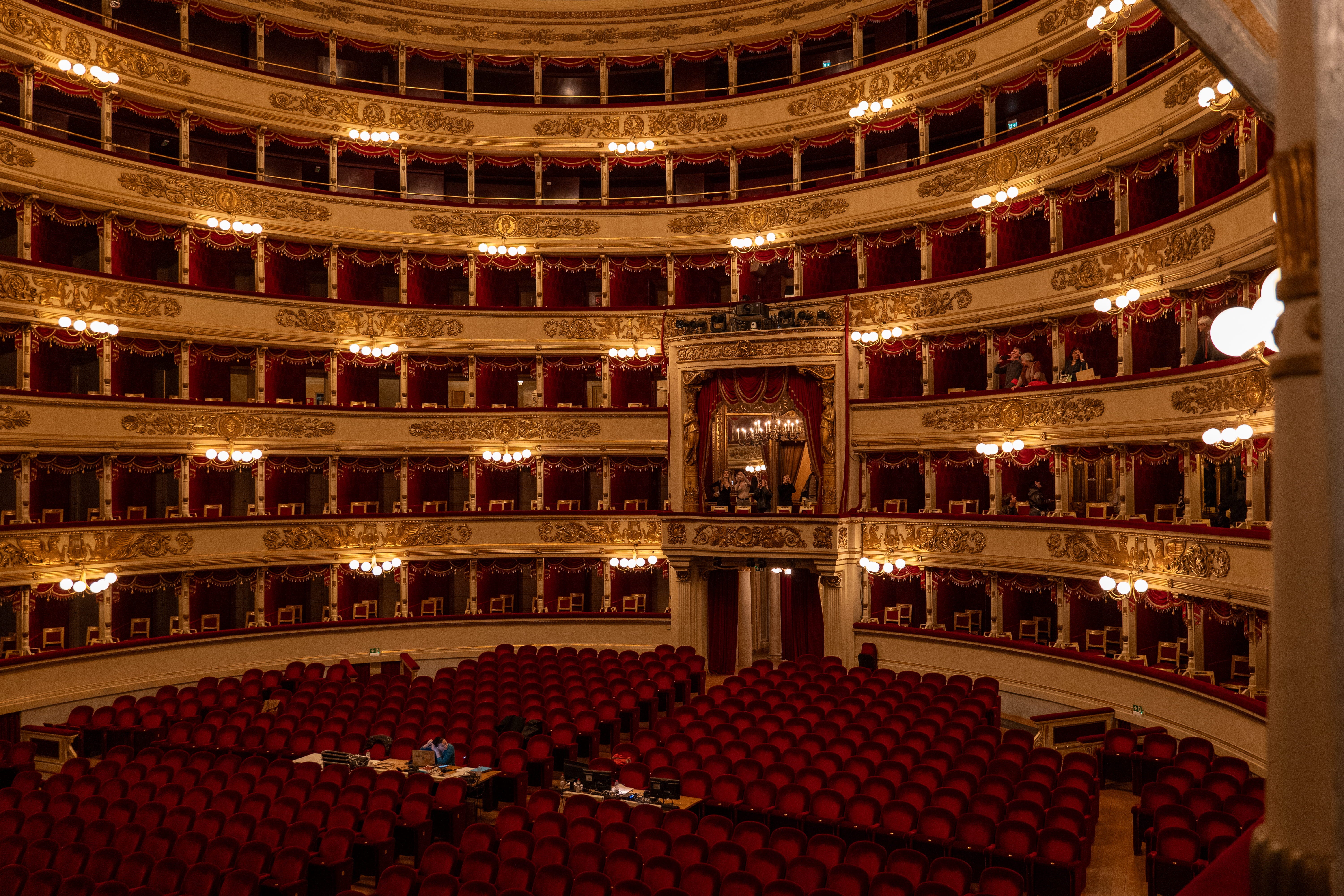
In the context of architecture, one of the best ways to express this is through a culture’s ornamentation. From the gargoyles and spires of Germanic gothic architecture to the baroque and rococo pastels and patterns, the more your culture is expressed in your settings, the more it feels like home.
This echoes what writer Roger Scruton warned about in his article The Modern Cult of Ugliness, where he lamented the ugliness of purely “useful” buildings. For him, when gray, concrete slab replaced the “lovely Victorian terrace streets, elegant public buildings and smart hotels” of the town where he grew up, he knew something anti-human had happened.
“There is a deep human need for beauty,” he wrote “and if you ignore that need in architecture, your buildings will not last, since people will never feel at home in them.” Stripped of the small details and flourishes that marked buildings as distinctly from a certain place, and of a certain people, those same people recognize that their buildings are not really theirs, and thus not really home.
You Can Go Home Again
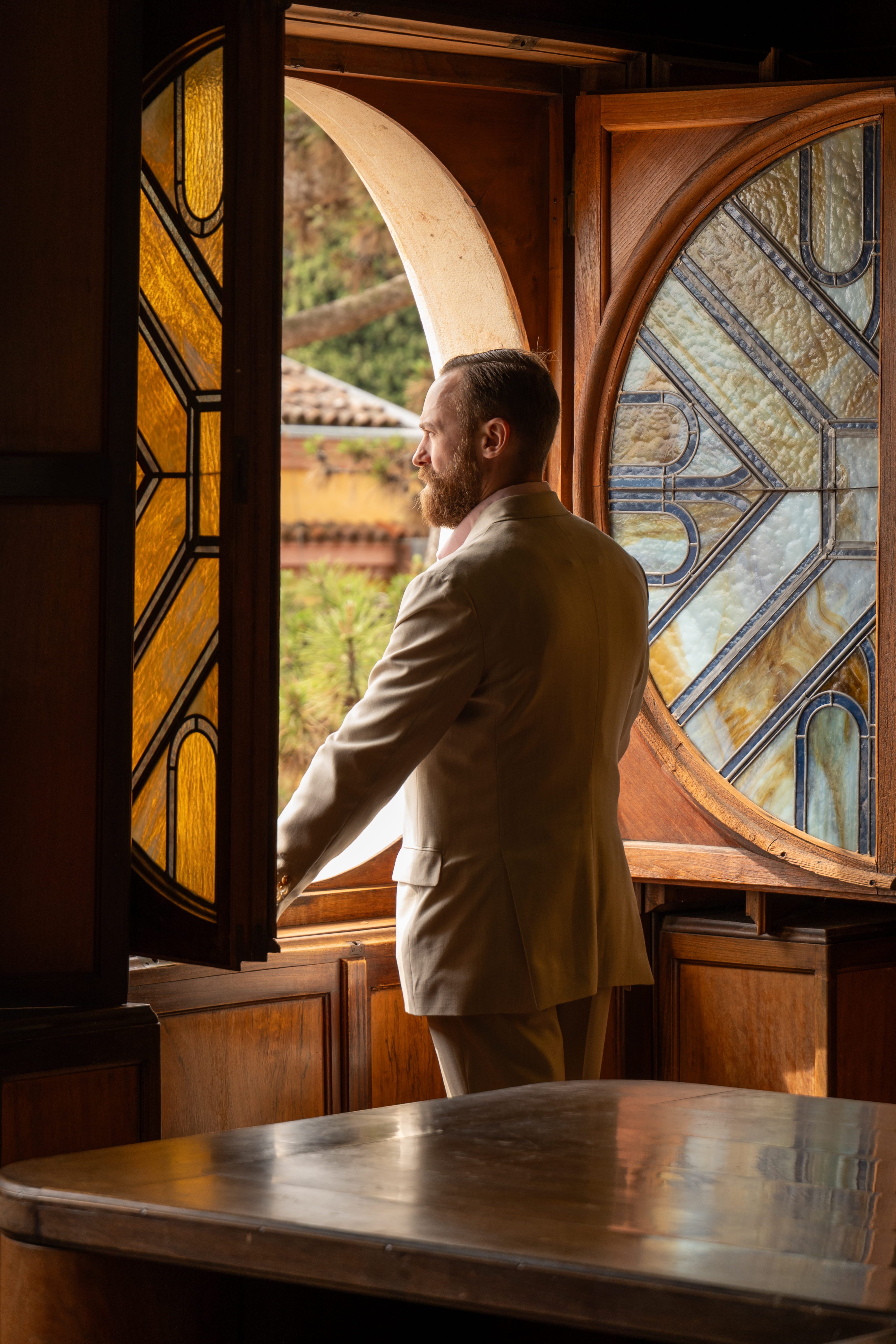
The good news is that things are changing. For instance, minimalism is on its way out. People are tiring of the sterile lines, dull colors and unadorned look characteristic of both millennial apartments and prison facilities, and opting to fill their empty spaces with character and detail. Even some governments are taking action: in the UK, the Leveling Up and Regeneration Act requires design codes to design for beauty in new developments, and Sydney, Australia requires new major developments be chosen through design competitions, with architects creating projects aimed at “design excellence.”
It’s taken more than a century, but in an age of dissolving culture, we are finally recognizing that civilisation is expressed in brass doorknobs and ornamented cornices as much as in great works of literature or painting. Culture speaks through many modes, and we are tired of mute-but-useful environments.
Just as the tiniest detail can enhance a work of art, small acts of cultural promotion can help move the needle in the right direction.
In your personal life, recognize that the way you dress is a vote for the world you want to see. If you want people to pay attention to details, being careful with the details of how you present yourself is the easiest way to promote your values.
In your own spaces, view your Instagram-friendly blank walls as canvas where patterns, tiles, or historical objects can make your house a home. Opt for local, meaningful, or historical styles over cosmopolitan sleekness and whatever your realtor says is “really hot right now.” Remember that ornamentation with real tenor speaks to culture more than resale value.
You can also take these principles out into your community. Attend your local town halls when redevelopment happens, and ask about beautifying new and existing buildings through meaningful forms and details. Find and support your local heritage preservation society, and petition governments to emulate legislation like those found in the UK and US explicitly mandating for beautiful architecture.
When Adolf Loos announced the end of ornament, he was shocked that people rejected him. But after decades of concrete and modern chic, we now have the evidence to prove what even his contemporaries intuited. The evidence for the theory of biophilia demonstrates that you literally feel more at home within spaces draw from complex, natural patterns. Recognizing the importance of tenor to ornamentation tells you those patterns also transmit the stories of your culture and place you firmly within it.
Once these concepts are understood together, it makes clear that the small flourishes, the impractical additions, and the details that form culture are not wasteful. They are essential parts of who you are, and by loving and promoting these small acts of beauty, you embrace the thing that makes culture worth living in and living for.
We lived in Desenzano on Lago di Garda yrs ago! Thank you! Beautiful article
Oh, this was fascinating. Thank you.