

The Gospel According to Charles Dickens
A story for his children, a gift to us all


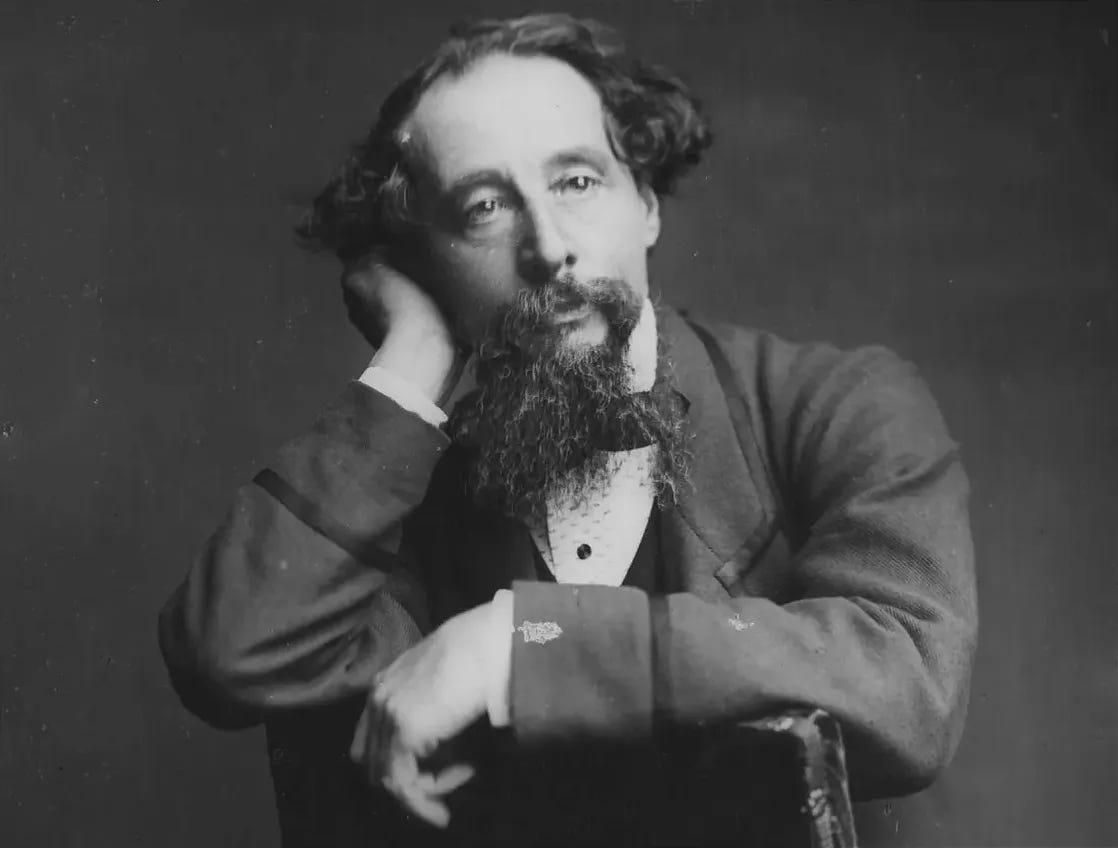
At Letters from the Old World, we highlight the things that make life beautiful and worth living. Part of that mission involves digging through archives, literal and metaphorical, for hidden gems.
Today, we’re looking at one such gem, a book Charles Dickens wrote for his children and didn’t want published during his lifetime. Luckily for us, though, his descendants would eventually allow the world to read it: it’s called The Life of Our Lord, and is Dickens’s personal retelling of the Gospel narrative.
More than a mere curio, this book has a lot to say about Dickens the man, fatherhood, and handing on your faith to your children. Today, we look at why this short classic is still worth your and your children’s time, and what it can teach you about passing down your values with love.
The post is the first entry in our new segment Old World Reads. In these articles, we’ll look at the hidden and forgotten gems of European literature.
Our hope is that by stepping into the world of these books, you’ll be able to immerse yourself in the artistic currents that shaped Europe’s great cultural tradition, and draw on that inspiration in your own life.
Let us know what you think, and if you’d like to see more posts like this in the future.
A Book that Almost Wasn’t
Dickens wrote The Life of our Lord between 1846 and 1849, the same time period he was working on David Copperfield. It is a small, twelve-chapter retelling of the narrative elements of the New Testament focusing on the life of Christ. Unlike most of his other works, it’s short enough to be read in one sitting, which was likely the intention, as Dickens read the story to his children every Christmas.
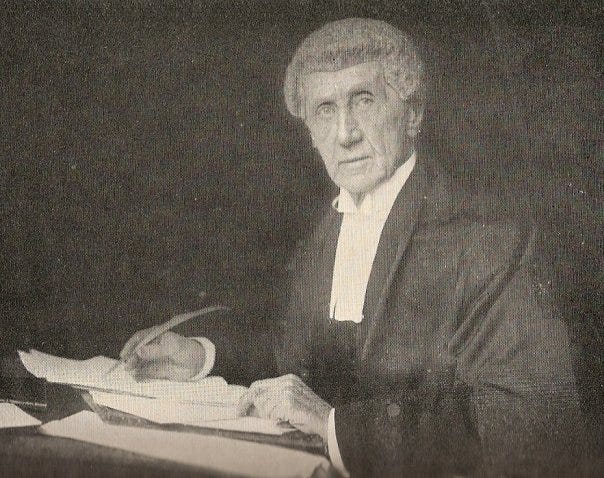
He intended the book to remain a private family story, and directed that it not be published until after he and all of his children had died. The manuscript was passed down through the family for decades and was finally published in 1934, following the death of his last surviving child, Sir Henry Fielding Dickens.
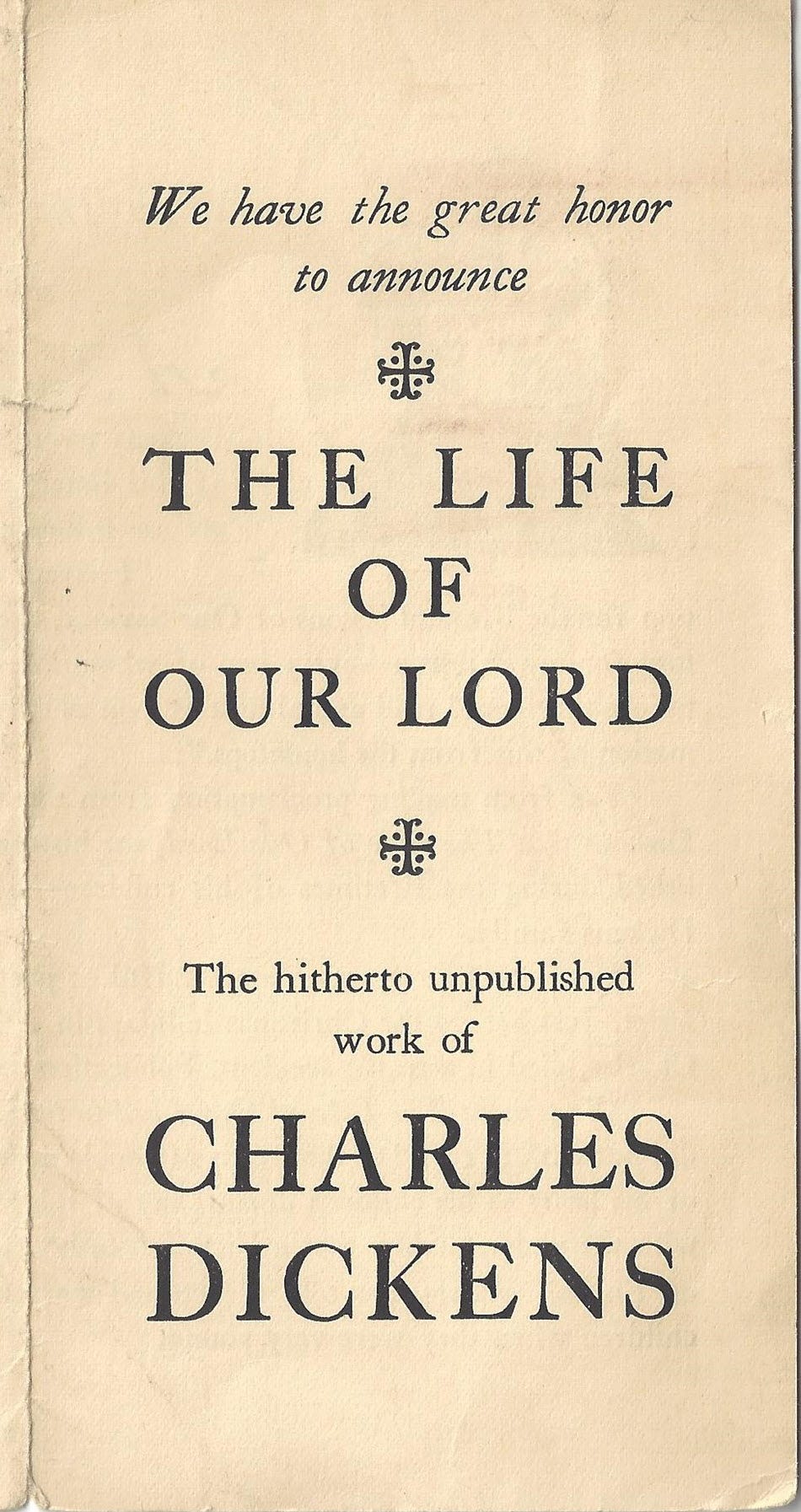
Since then, this addendum to the body of Dickens work has waned in popularity, especially in comparison to his more well-known writings like A Christmas Carol. But it’s precisely because it is such an odd duck when counted among his other works that it should interest you.
A Father’s Story Time
All my strongest illustrations are derived from the New Testament: all my social abuses are shown as departures from its spirit.
–Charles Dickens, in an 1861 letter to Reverend David Macrae
There is nothing in The Life that will surprise anyone with knowledge of the New Testament; Dicken’s retelling is a mixture of Matthew, Mark, Luke and John, with a smattering of Acts. What makes this work stand out is its personal qualities, including its intimacy, its comedy, and what it reveals about its author’s convictions.
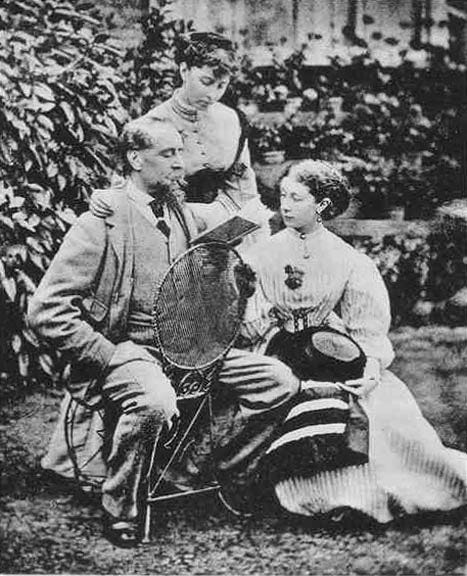
The intimate nature of this writing is evident from its provenance. This was Dickens writing not for money, but for his six children. For such an esteemed author, this small audience was a change of pace, as he addresses them multiple times in both moral exhortations and pleasant asides. His tone, one that is not one-sided and parasocial but rather genuinely parental, lends the writing a warmth that only a father’s story time with his children could have. Take for example Dicken’s explanation of animals found in the Bible that his English children would not have been familiar with:
You never saw a locust, because they belong to that country near Jerusalem, which is a great way off. So, do camels, but I think you have seen a camel. At all events, they are brought over here, sometimes ; and if you would like to see one, I will show you one.
You can’t help but feel charmed at the paternal nature of this aside, pre-empting both his children’s curiosity and their requests, a sign of how intimately he knew their temperaments. There are other small sections like this, such as explaining what certain outmoded words mean, or comparing foreign lands to ones with which his family would be familiar, that make this piece of writing one that is truly meant for a particular family. While the intimacy of this makes it easy to understand why Dickens wouldn’t want it published, it is precisely this deep familiarity, one earnestly meant to make morals and not money, that makes this story so fascinating.
An Author’s Approach to Paternal Advice
As a wise father and editor, Dickens knew what would be worth communicating to his children and what would not. He writes in plain English (for the 19th century) which is still distinctively Dickens, both in tenor and focus. He pays particular attention to the poor and downtrodden, which, if you’ve read any of his other works, is a recurring concern for him, often pausing his retelling to make the moral instruction clear to young ears.
In chapter 8, he explains who the twelve disciples were and where they came from, making a point to say that they were chosen from among the poor by God as a sign of His love of them. He uses this as a chance to instruct his children on how to conduct themselves around the downtrodden:
Never be proud or unkind, my dears, to any poor man, woman, or child. If they are bad, think that they would have been better, if they had had kind friends, and good homes, and had been better taught. So, always try to make them better by kind persuading words; and always try to teach them and relieve them if you can. And when people speak ill of the Poor and Miserable, think how Jesus Christ went among them and taught them, and thought them worthy of his care.
The warmth and paternal storytelling refuses to gloss over darker parts of the narrative, like the death of John the Baptist or the killing of children that causes the flight to Egypt. Indeed, Dickens knew that these are the necessary cruelties that make the resurrection story all the more glorious, and he does not shield his young listeners here anymore than he does in Oliver Twist or Great Expectations. This, after all, is the father’s role; make your children aware of great evil and the great and the good.
In this way, Dickens precedes the famous line from C.S. Lewis that:
Since it is so likely that (children) will meet cruel enemies, let them at least have heard of brave knights and heroic courage. Otherwise you are making their destiny not brighter but darker.
A Recommendation from the Man Himself
Why rewrite the gospels? Surely the greatest story ever told had been retold enough in the 1800 years prior to Dickens tackling the task. In an 1868 letter to his youngest son, the Victorian novelist explains why he wrote this simplified account for him and his siblings, because: “it is the best book that ever was or will be known in the world, and because it teaches you the best lessons by which any human creature who tries to be truthful and faithful to duty can possibly be guided.” For Dickens, there was no greater story to communicate, and he used his talents to ensure his children would encounter it in a way they could understand, even at an early age.
Throughout his work, Dickens’ love of God and his fellow man shines through. It is this love, the love of the divine Creator, that he was most concerned with inspiring in his children. Even in his last will and testament, Dickens ends by exhorting his family after his death to hold fast to their Christian faith. He knew this was the key to a good life.
He took the time to tell the Gospel in his own way, to ensure that they would receive their moral instruction as only a father can transmit. It’s a lesson every parent should take to heart. You are in a privileged position to share the Gospel, and you should take the time to tell it right.
Remember! — It is Christianity TO DO GOOD always — even to those who do evil to us. It is Christianity to love our neighbours as ourself, and to do to all men as we would have them do to us. It is Christianity to be gentle, merciful, and forgiving, and to keep those qualities quiet in our own hearts, and never make a boast of them, or of our prayers or of our love of God, but always to shew that we love Him by humbly trying to do right in everything.
–Charles Dickens, The Life of Our Lord
Dickens' faith and morality shines through in his great novels, but I was not aware of this. Thanks for sharing this lovely story and for including some of his fatherly 'asides' to the children.
While I celebrate the Old World Reads addition, I would recommend that it become a parallel thing to the core menswear and aesthetic posts on Wednesday, or at the very least be a rare occurrence, if replacing them. I believe most people, as I myself, value this publication so highly exactly because it presents writing on menswear and aesthetics more generally with great acumen and depth, and from a uniquely Catholic perspective. I wouldn’t want that identity and following you’ve done so much to cultivate to be diluted.