



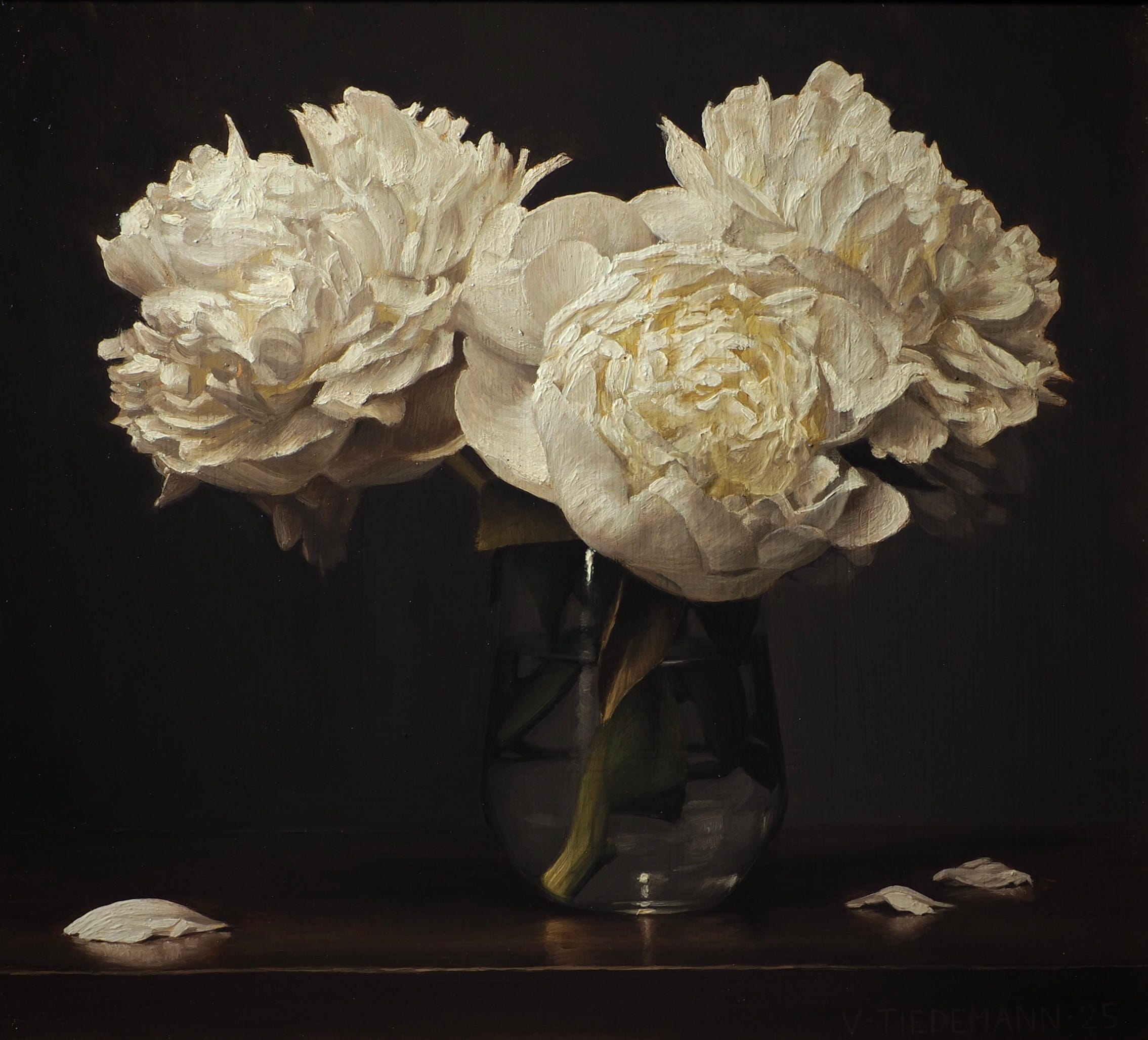
You may not think of yourself as a patron of the arts, but you probably should. If you pay for any form of content, whether it’s a Substack subscription, a streaming service or a music app, you’re likely providing continuous funding to some form of artistic endeavor. Whether it’s government grants for the arts that come out of your tax dollars, or the ad revenue generated by your eyeballs for YouTubers, it all goes towards people making art.
In so many ways, patronage didn’t end with the last of the Medici during the Renaissance, it’s simply been transmuted into forms that don’t carry the same prestige. The problem with these new forms is your contributions to the arts have been made invisible. This passive patronage has made you unaware of how much power you have to change things for the better.
But it doesn’t have to be this way. Today, we look at the history of patronage, how its expression has transformed in the modern era, and why you are already a patron yourself — whether you know it or not…
Our mission here at Letters from the Old World is to share the secrets of Old World elegance, and our approach is two-fold:
1) Every Wednesday, we send a free article exploring the theology and philosophy of why beauty matters, particularly in regards to decor and dress.
2) Every Friday, we send What’s In a Fit, a members-only article exploring practical tips and guidelines for dressing well.
If this resonates with you, then subscribe below to join the aesthetic renaissance.
The Artists Aren’t Starving… But It’s Close
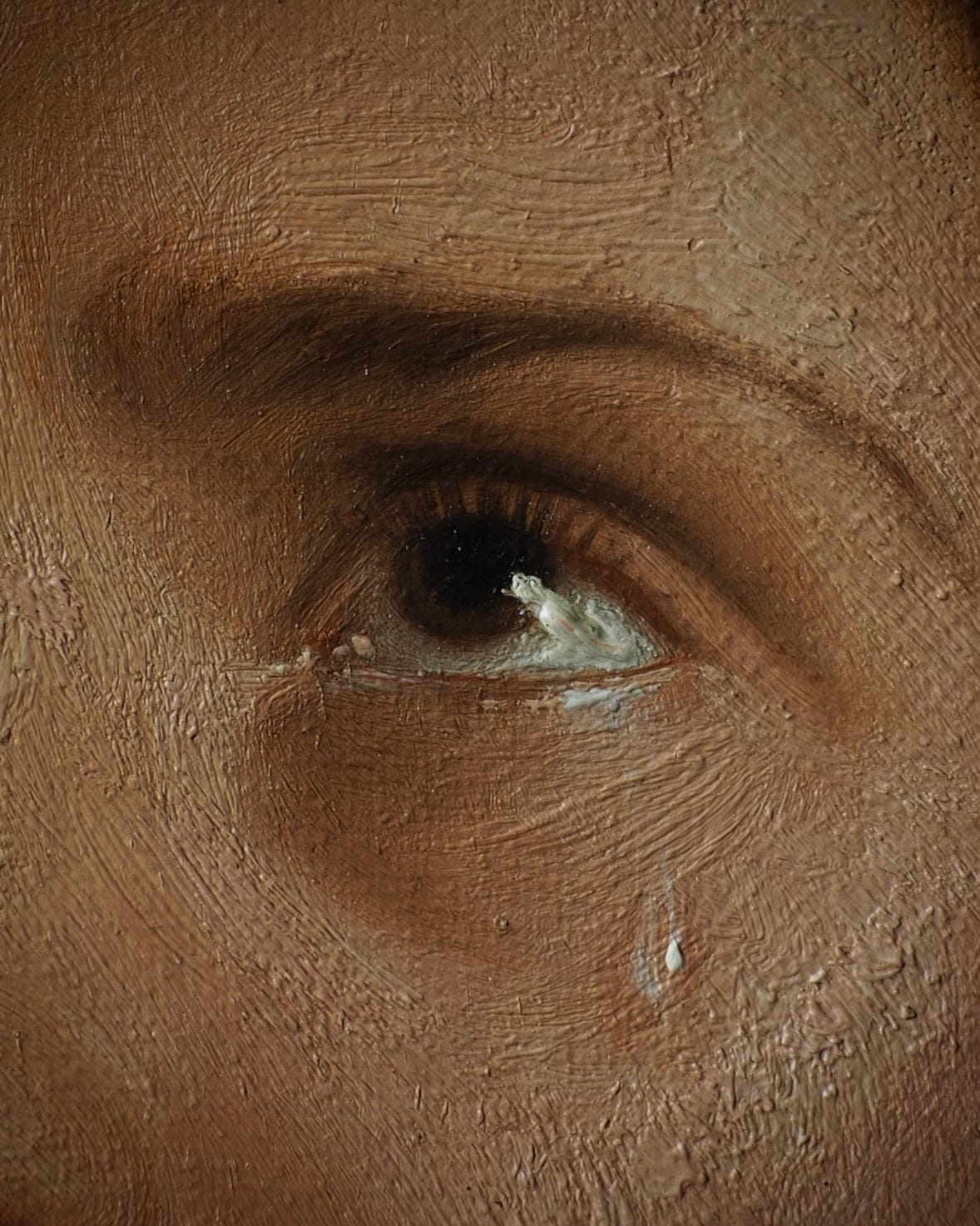
Artists have never been known for raking in the cash, and according to the U.S. Bureau of Labor Statistics, the median annual income for craft and fine artists in the U.S. in 2024 was $56,260. The bottom ten percent earned less than $29,120, which is not a living wage in any state, and even for those who can live from their work, things are getting worse. One report from 2025 found that most categories of artists lost purchasing power in the last decade, with fine artists in particular losing more than 12 percent of their purchasing power over the last ten years.
This explains why artists are nearly twice as likely to hold second jobs as compared to the general population according to data from the National Endowment for the Arts. In fact, a study from the National Opinion Research Center at the University of Chicago found that more than 1 in 3 artists worked two or more jobs, and those who held at least one job, less than 1 in 4 made more than $50,000 in the last year. That same study found that 37 percent of artists were on some sort of social assistance.
The reason for this economic predicament is that consuming art is cheaper than ever, but it is still costly to make great art, either in time and materials, and often both. Writing a novel, painting a mural or composing a symphony are not overnight affairs, and often require years of study and practice before producing anything remarkable. This runs contrary to the algorithm-driven entertainment economy that demands consistent output but offers mere seconds of attention from its audience. This divide between the reality of the creative process and the expectations of the public is often unbridgeable for lone artists. This is where the patronage system comes in.
What Patronage Was
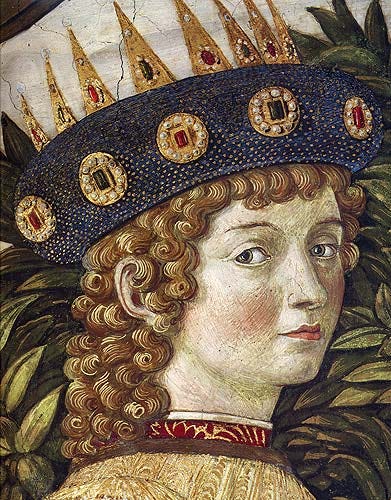
The system of patronage is simply a wealthy benefactor commissioning and subsidizing a particular artist’s work, often taking an interest not only in the creations, but in the person behind the pen, chisel or brush. The greatest example of this style of relationship is undoubtedly the Medici family, who famously funded many of the Renaissance’s greatest artists, everyone from Michelangelo to Leonardo Da Vinci. They did so not purely out of love of art, but also because of the influence and prestige which they accrued through being associated with the great art they helped produce.
It’s why, centuries later, the Medici, despite not being artists themselves, are still associated with some of the greatest artworks produced by man, a level of renown almost unheard of for families from the mercantile class. By promoting what they loved and valued, those things in turn promoted them, making their name synonymous with loving art.
Despite what you may think, this form of elite support wasn’t relegated to centuries past. Consider Charles Saatchi, a businessman who some claimed singlehandedly kept the young artists of London afloat through the later part of the 20th century. Matthew Collings of Artscribe Magazine describes his influence in the 1990s thus:
And really you have to admit he’s been an amazing force in the London artworld. At this moment the whole thing more or less depends on him. He just goes round all the shows buying them up. […]
All the young artists go around scratching their heads and wondering what would happen if he just stopped doing it. Would the curators at the Tate Gallery go around buying all that stuff, or the BBC, or the Arts Council, or the Queen, or Sting? No. Hey, the young artists would be broke!
-Matthew Collings, Blimey! from Bohemia to Britpop : the London artworld from Francis Bacon to Damien Hirst
While people like the Medici or Saatchi undoubtedly had an outsized influence on their contemporary art scenes, their method of influence has slowly turned into something far less individual, yet far more powerful…
The New Renaissance
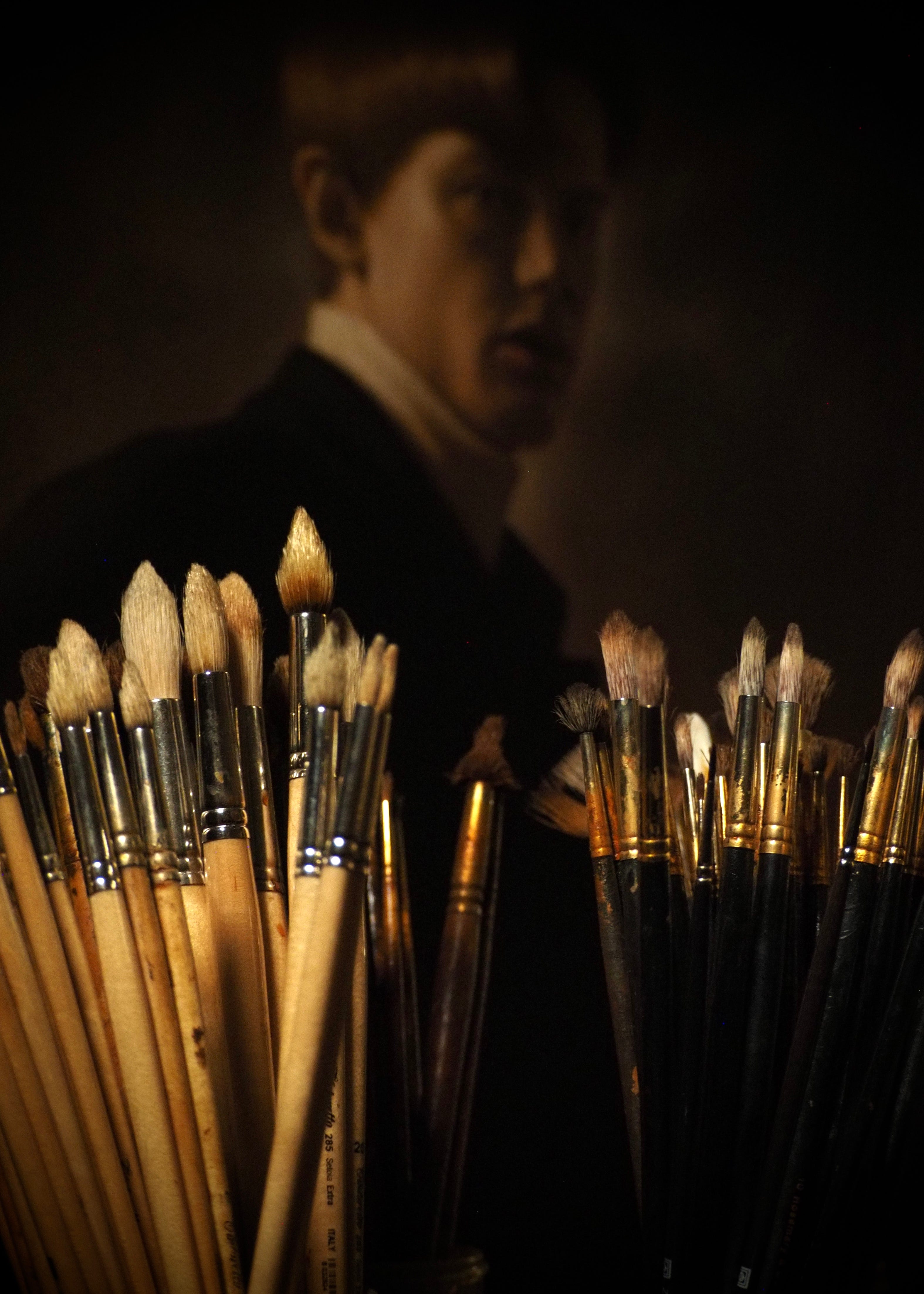
Though the idea of patronage still carries a musty sense of ancient history, the truth is it’s back, bigger and more accessible than ever. Patreon, one of a number of sites that allow “patrons” to support creators they love, says it has more than 10 million active members supporting nearly 300,000 creators.
On Substack, writers earned $450 million in 2025, with more than 50 Substack publications taking in more than a million a year from their paying subscribers. These massive numbers are all the more impressive when you realize that, unlike the artists supported by the Medici, most of this comes from average people. These readers care enough about the work they’re seeing on the platform that they’ll chip in a small amount every month to ensure it continues. It’s a democratization of the patronage system, giving you the opportunity to affect what sort of art makes it into the world, something that was once reserved to the wealthy well-connected.
That doesn’t even take into consideration the vast majority of users on social media platforms who help fund their favorite artists by sampling, promoting, enjoying and sharing the work they love. For example, advertising revenue for YouTube accounts for more than two thirds of the site’s $60 billion in revenue for 2025, a number that got ever so slightly larger with every ad you sat through last year. This means that even if you haven’t paid a cent, your passive online habits are still contributing to the art you want to see in the world.
So while there are a significant number of people patronizing artists in the strictest sense of the word, the majority do not. But going from a passive consumer to an active promoter of the arts is not as difficult as you may think….
Taking the Leap
In case you missed it, last week Evan published a piece in The Culturist about his latest project: the commission of a large-scale portrait to shine light not just on a talented young artist, but on the art of patronage itself. Over the course of the coming weeks and months, the team at The Culturist will be documenting the ins-and-outs of the creation of a beautiful portrait of Saint Catherine of Sienna by Carl-Nikolas von Tiedemann, a 25-year-old classical painter based in Florence.
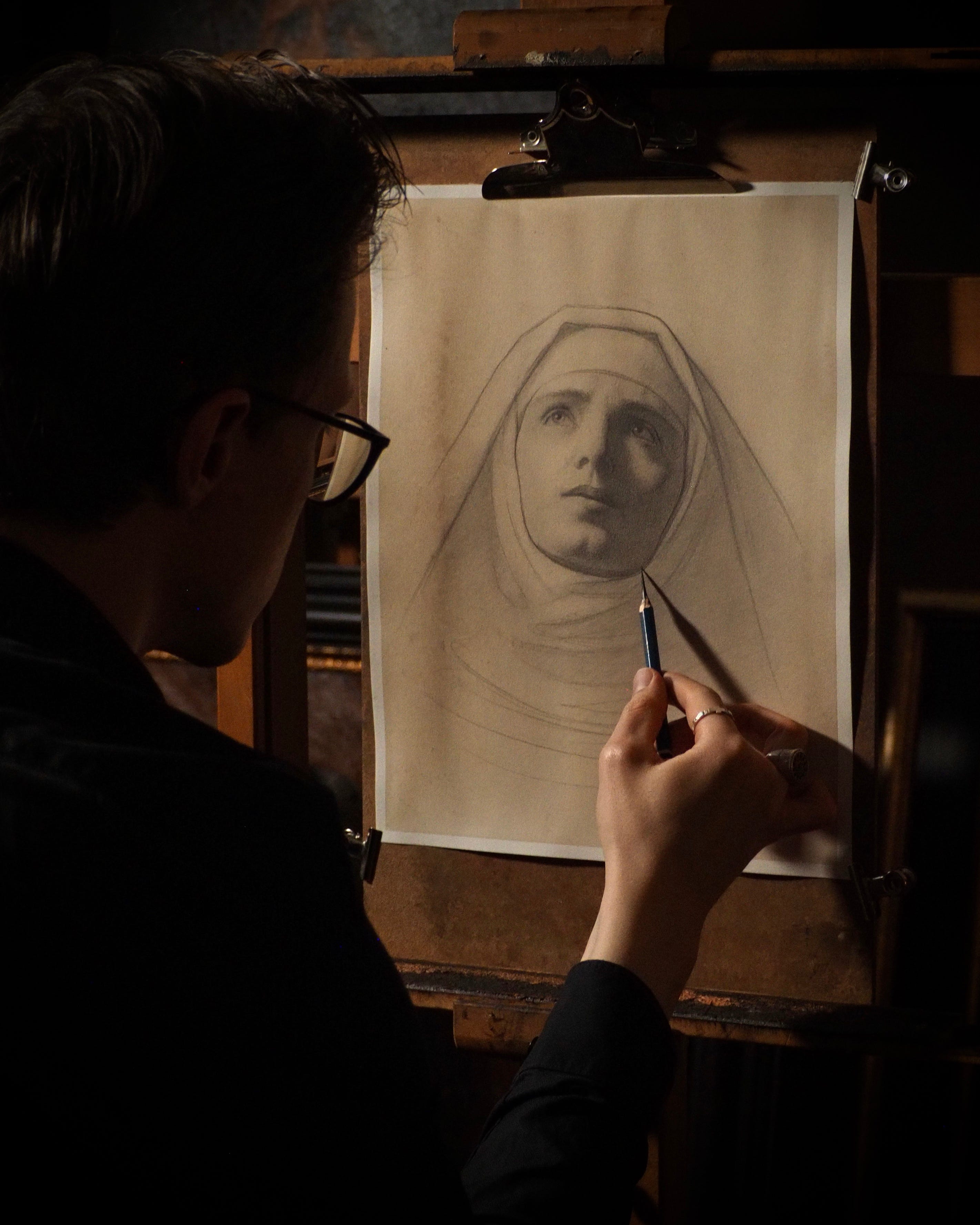
Though the project has many goals, one of the more unique ones is the promotion of the concept of patronage itself. The idea is to demonstrate that supporting great art is no longer the provenance of the 1%, but in fact a critical component of what you can contribute to the coming new Renaissance of beauty in art and culture.
In pointing out the small contributions you’ve already made to the things you love, the hope is this seemingly lofty endeavor can seem as down to earth as it should be. If you’re on here, odds are you have the ability to support the things you want to see more of. The barrier for entry into the world of patronage, where you can promote the art and values you believe in, has been smashed to pieces thanks to the internet. You can find any number of artists online who want to make the work you want to see, if only they could afford the time to do so. Whether through personal Patreon, app subscriptions or direct commissions, there’s never been an easier time to help get art made.
To put cash behind your convictions sends a universal message, one that says “this needs to exist, and I am willing to sacrifice for it.” Whether it’s buying someone a coffee or commissioning a full piece, there are countless ways for you to make the shift from a passive to an active supporter. The great patrons of bygone eras knew that beauty needed supporters to help bring it into the world, and acted accordingly.
The question is: will you?
This runs parallel to the support of small makers in all fields including clothing shoes etc.
I'm really looking forward to seeing the portrait of Saint Catherine come to fruition. Thanks for sharing the process!