



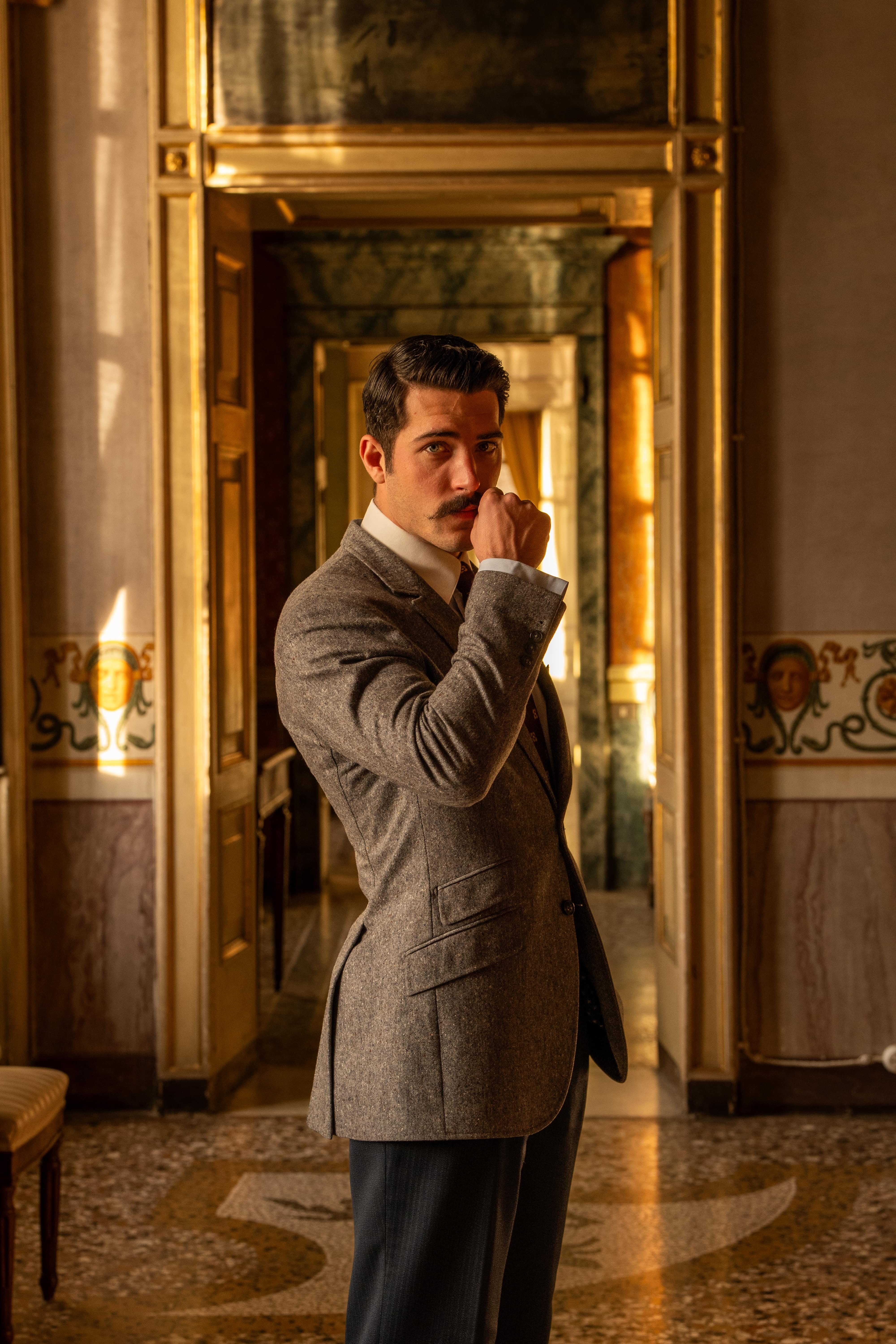
What happens when a single encounter with beauty upends your entire life?
This is the question French philosopher Denis Diderot wrestled with when he received a sudden financial windfall. His new wealth bought him a piece of clothing so beautiful that he felt compelled to upgrade everything in his wardrobe to match it, nearly bankrupting himself in the process.
Diderot documented his experience in his 1768 essay Regrets for my Old Dressing Gown, or A warning to those who have more taste than fortune. Since then, the term “Diderot effect” has come to describe the process by which a single purchase can lead to a spiral of consumption. Diderot’s experience is often presented as a cautionary tale, a warning against the ravages of luxury.
But the problem is, there’s one thing most people overlook: the ending of Diderot’s essay is unexpectedly positive, and suggests that there’s actually an upside to the Diderot effect. What if, instead of leading you to financial ruin, it can catapult you to a higher standard of taste and refinement?
Today, we explore Diderot’s essay to learn about the double-edged sword of the Diderot effect, and how you can harness it on your quest for elegance…
The Fatal Mistake
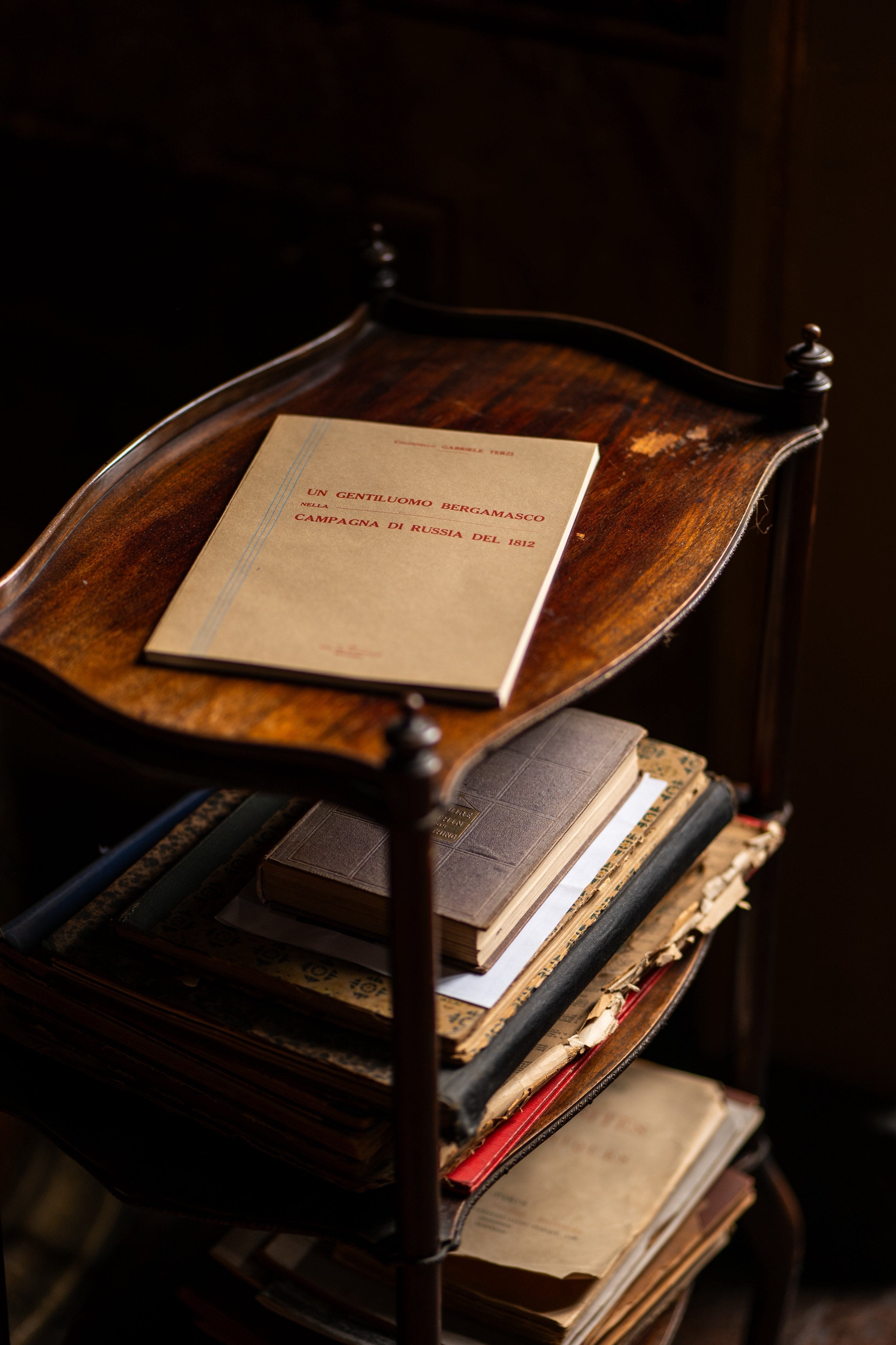
For an essay written to caution readers against the “ravages of luxury,” Regrets for my Old Dressing Gown begins innocuously enough.
The story goes that Diderot’s daughter was getting married, but the philosopher couldn’t afford to pay her dowry. Luckily Catherine the Great, who admired his work, heard about his problem and offered to buy his personal library for a substantial sum. Not only did she let him keep his newly “sold” library, but she also gave him an annual salary to boot.
Now flush with cash, Diderot could start living according to his refined tastes. One of the first things he did was replace his worn-out old robe with a beautiful new one.
Unfortunately, this robe turned his life upside down.
The newly wealthy writer found that his exquisite garment clashed with everything else he owned. By virtue of being so splendid, it made his other belongings seem crass. Soon, he began upgrading every item in his home to match the robe’s richness; chairs, rugs, tables, paintings, everything had to be replaced to avoid the discordant feeling that there was “no more coordination, no more unity, no more beauty” in his surroundings.
This remodeling left him reeling financially, as he could not stop himself from purchasing more and more things, eventually leaving a hole in his bank account that inspired him to write the cautionary essay.
Most people read Diderot’s account as a warning against conspicuous consumption, consumerist trends and lifestyle creep. And rightly so, as those are a real danger. At its worst, the downward spiral of buying one item after another becomes a manifestation of intemperate greed, placing undue focus and importance on the material.
But of course, this is only one side of the coin.
The Power of Beauty
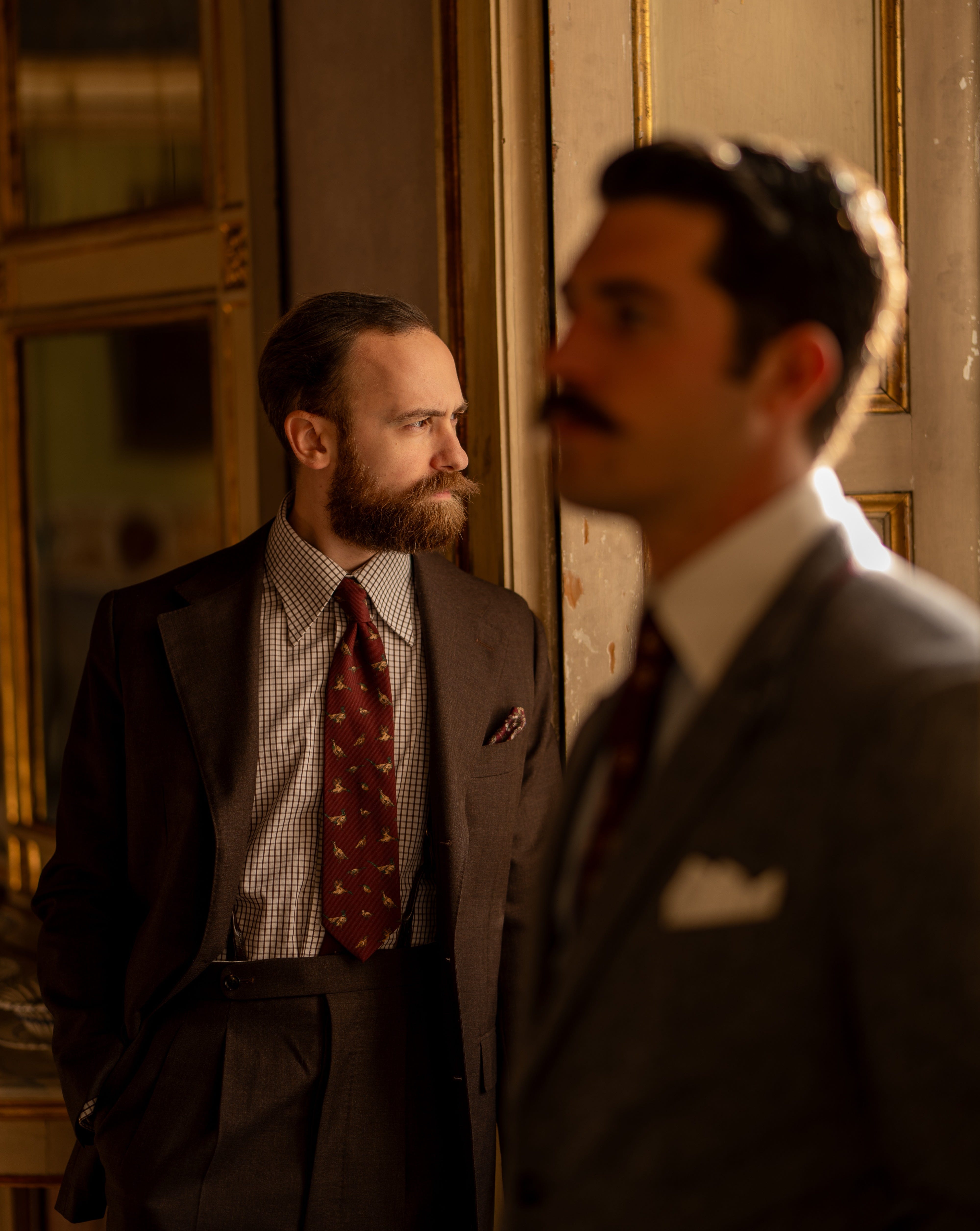
What most people overlook about Diderot’s tale is that, at its heart, it’s a story about beauty’s transformative power. It’s a story about a man confronted by a force so strong that his old life felt inadequate in its presence.
While Diderot meant his example to be a warning about the dangers of acquiring nice things, it is also a caution about the demands that beauty makes of you.
“Beauty,” as Roger Scruton wrote in his book on the subject, “can be consoling, disturbing, sacred, profane; it can be exhilarating, appealing, inspiring, chilling. It can affect us in an unlimited variety of ways. Yet it is never viewed with indifference: beauty demands to be noticed.”
In short, when you see something beautiful, it moves you. Often, it is so overpowering that it makes you take stock of how you are living your life. This is what Rainer Maria Rilke hinted at in his poem, Archaic Torso of Apollo, written about a section of statue so beautiful that it seemed to make demands of him; “here [ in the presence of the statue] there is no place that does not see you. You must change your life.”
Beauty, whenever and however it manifests, is a call to something greater than your current self. It demands you change and draw closer to it. But the kind of change it demands isn’t siloed. When Jordan Peterson first came to prominence, he was famous for telling young men to “clean their room.” This, of course, wasn’t just practical homecare advice. The logic behind the meme was that in ordering and beautifying this small section of your world, you would naturally feel more competent and motivated to extend that process to other parts of your life.
This same truth applies to your wardrobe, and your life. Each small positive change you make leads to making another, and eventually you’ve crossed the distance between your old style, your old life, and your desired one. Do not underestimate the quiet power that one garment has to transform your life.
Beauty Requires Sacrifice
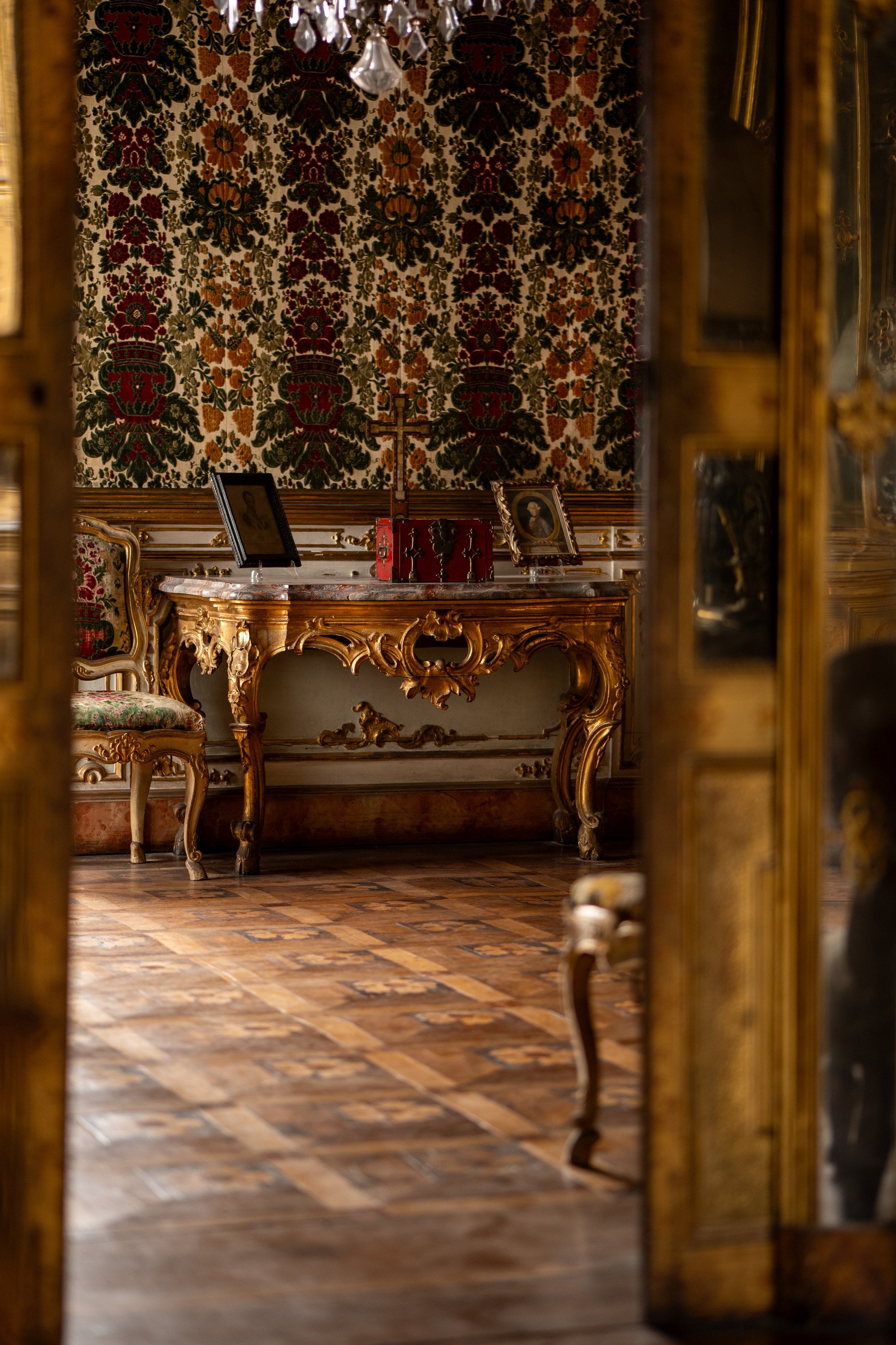
Discussions of Diderot’s essay often leave out how it ends: “With time all debts will be paid, remorse will be calmed and I will have pure joy.” Even after his expensive indiscretions, and despite so much regret that he published an essay about it, Diderot ultimately ends up happy, surrounded by beautiful things which bring him joy.
There might be a part of you that fears beauty because it demands that you grow, and growth is often painful. Beauty, like anything worthwhile, requires sacrifice: whether that’s time, money or effort. If you’re serious about the responsibility of dressing well, sacrifice is inevitable. There’s always a learning curve. But, if you’re willing to take that plunge, then try finding one piece that asks something of you, and let your life rise to the challenge that its beauty represents.
If you’re curious about which articles of clothing make great catalysts for change, or are just looking for practical clothing and style tips, then you’ll want to subscribe to read what Evan has to say in our members-only articles.
As a reminder, our mission here at Letters from the Old World is to share the secrets of Old World elegance, and our approach is two-fold:
1) Every Wednesday, we send a free article exploring the theology and philosophy of why beauty matters, particularly in regards to decor and dress.
2) Every Friday, we send What’s In a Fit, a members-only article exploring practical tips and guidelines for dressing well.
If this resonates with you, then subscribe below to join the aesthetic renaissance.
This was a thoughtful essay amid so much commentary in this season about the woes of consumerism. While those concerns are not without merit, so many of us have been trained into the embrace of utilitarianism in everything, such that we neglect what it is to be human. For some time, I have been trying to train myself to not merely look at things within the mindset of whether they "do the job" and instead question what they do for the soul. Clothing is certainly a piece of that puzzle of culture.
I loved this essay. Thank you for sharing.