

The Wild West: Quintessential American Style
Lessons from cowboys and bolos…

If there is one American aesthetic that stands above the rest, one that embodies the rugged, beautiful history of America more than any other, it is the style of the Wild West. Cowboy culture was born in the vast plains of Wyoming and the scorching deserts of Arizona. It is a product of varied and harsh environments. Many of the most iconic cowboy-style staples were born in response to these frontiers.
As the West became civilized and noticeably less wild, it developed a complex culture of style, music, and art. The canon of Western style is clearly established: denim, pearl snaps, silver, turquoise, and big felt hats. But it’s not easy to wear these items without looking like a pretender.
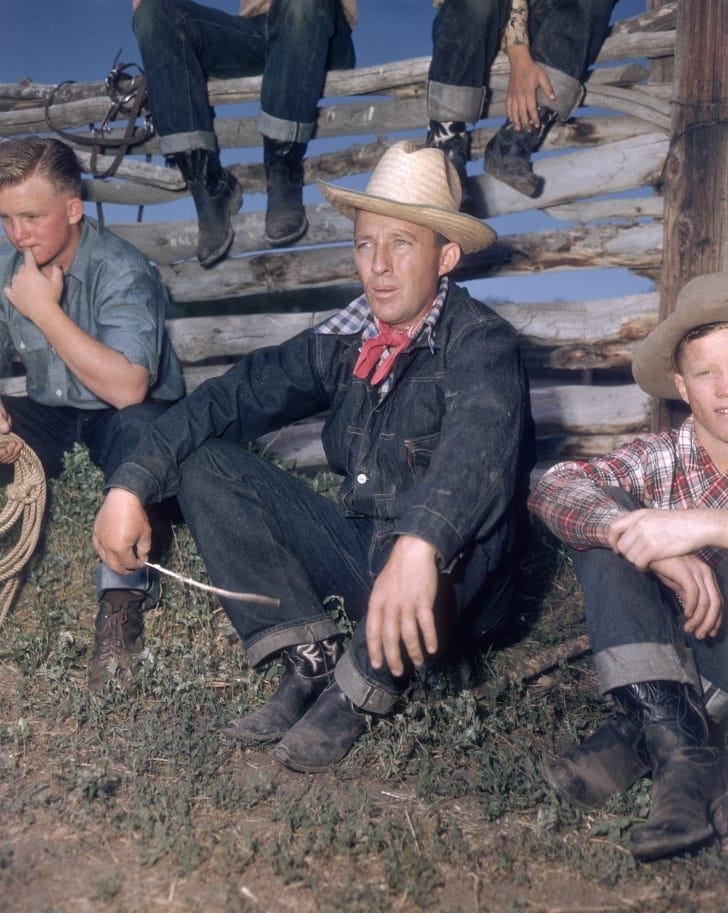
Personally, I love Western style. I have a small collection of western wear, and I’d like to think I integrate it well into a general Americana wardrobe without looking silly. Some people claim you need to own cattle or play the guitar on stage to justify dressing in a western style, but that’s false. If ranchers, rodeo stars, and country music artists were the only people allowed to dress western, there would be no industry, and the brands would go bankrupt.
So if you want to try out a little bit of Western style, this article is here to help. We’ll outline the foundational elements of Western style and show you how to integrate them into your wardrobe, even if you’re a city dweller. From shirts to suits to boots and bolos, it’s all in here. Let’s dive in…
Part One - The Basics
Western Shirts
Most western shirts were designed for ranch wear. They are made in tough cotton fabrics like chambray or denim. Some shirts come in plaids, be it actual wool flannel like the Pendleton Board shirt, or a regular “Cotton Flannel.” All of these styles are a part of the shared canon of American workwear materials. They’re hard-wearing, affordable, and most importantly, they look good beat up.
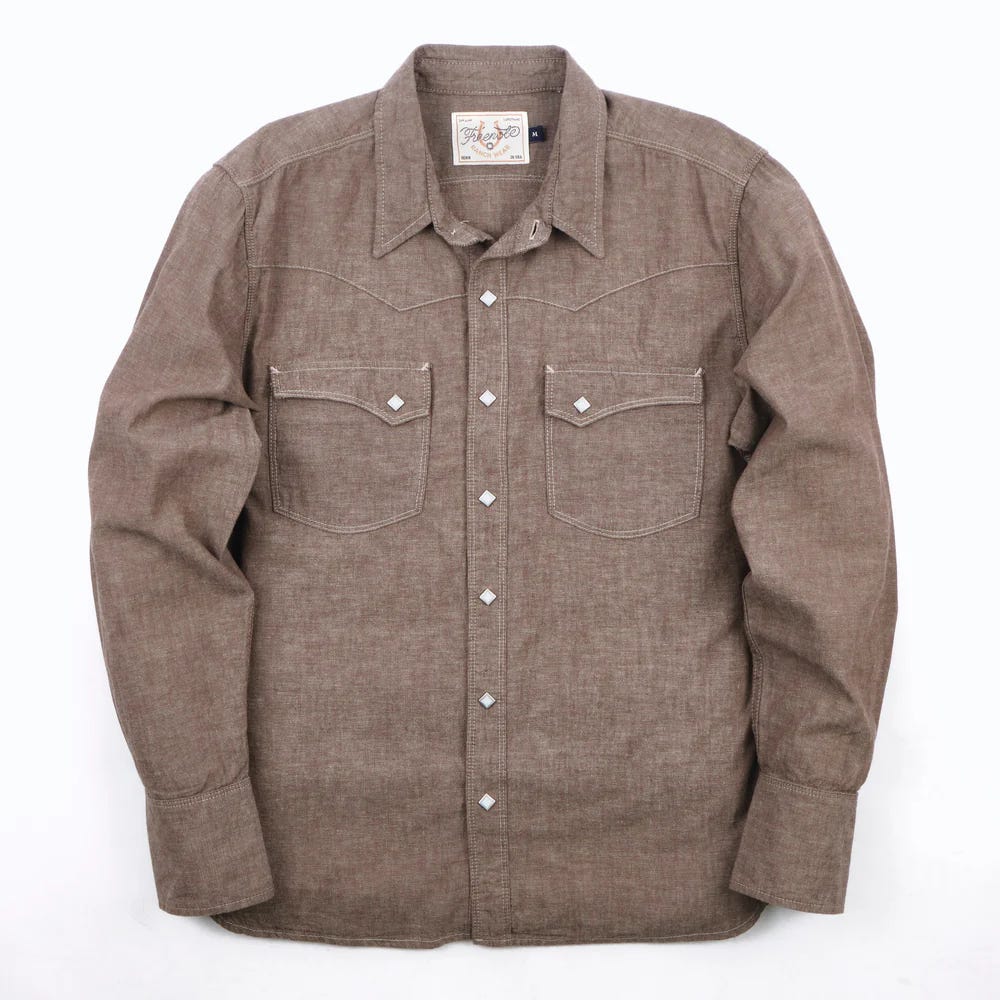
The most Unique and iconic Western detail in shirting is the pointed yoke. The yoke is a shaped piece of fabric located at the back of the shirt, just below the collar, that fits over the shoulders. It provides support and helps the garment hang correctly, contributing to the overall fit and structure. On Western shirts, it is often a second layer and can occasionally be in a contrasting fabric.
If you want a low-stakes way to explore Western style, opting for a Western yoke shirt instead of a traditional one is a great option. The easiest way to do this is with a casual denim work shirt or a flannel shirt. Casual options lend themselves more easily to experimentation and can be comfortably mixed with tweed trousers, chinos, and derby boots.
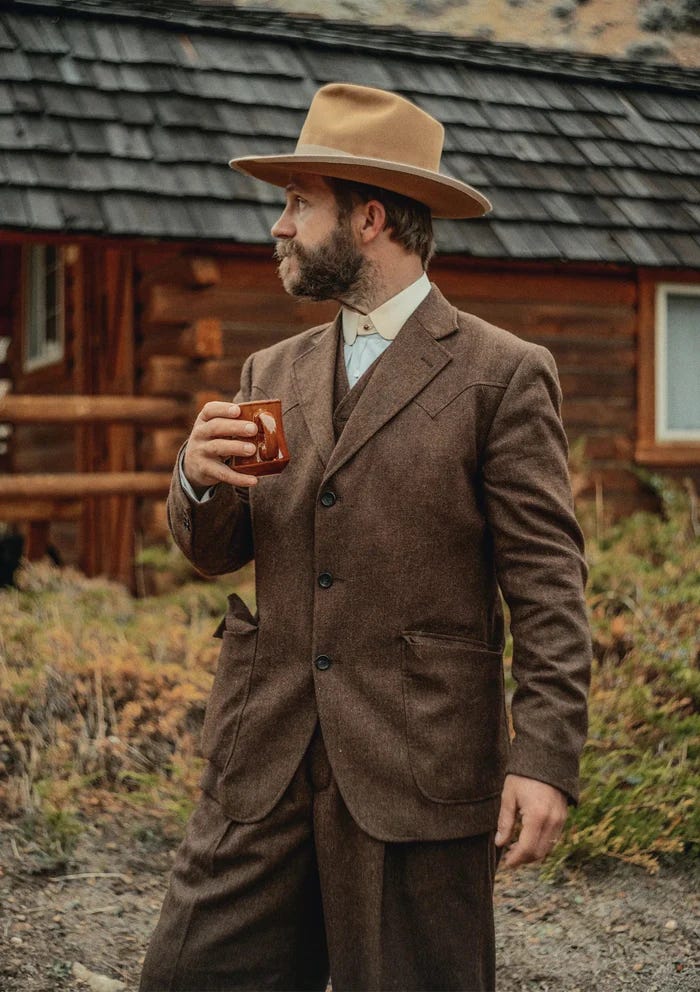
If you’d like to try out a western yoke but prefer a more elevated formal style, western suits are a great option. The best overlap in quality and aesthetics in a Western suit I’ve found is from Thomas Farthing. The UK-based maker released an entire collection of Western suits, and this brown tweed option is a handsome choice. Western suits can be paired with cowboy boots, but would look just as good with brogued derbies.
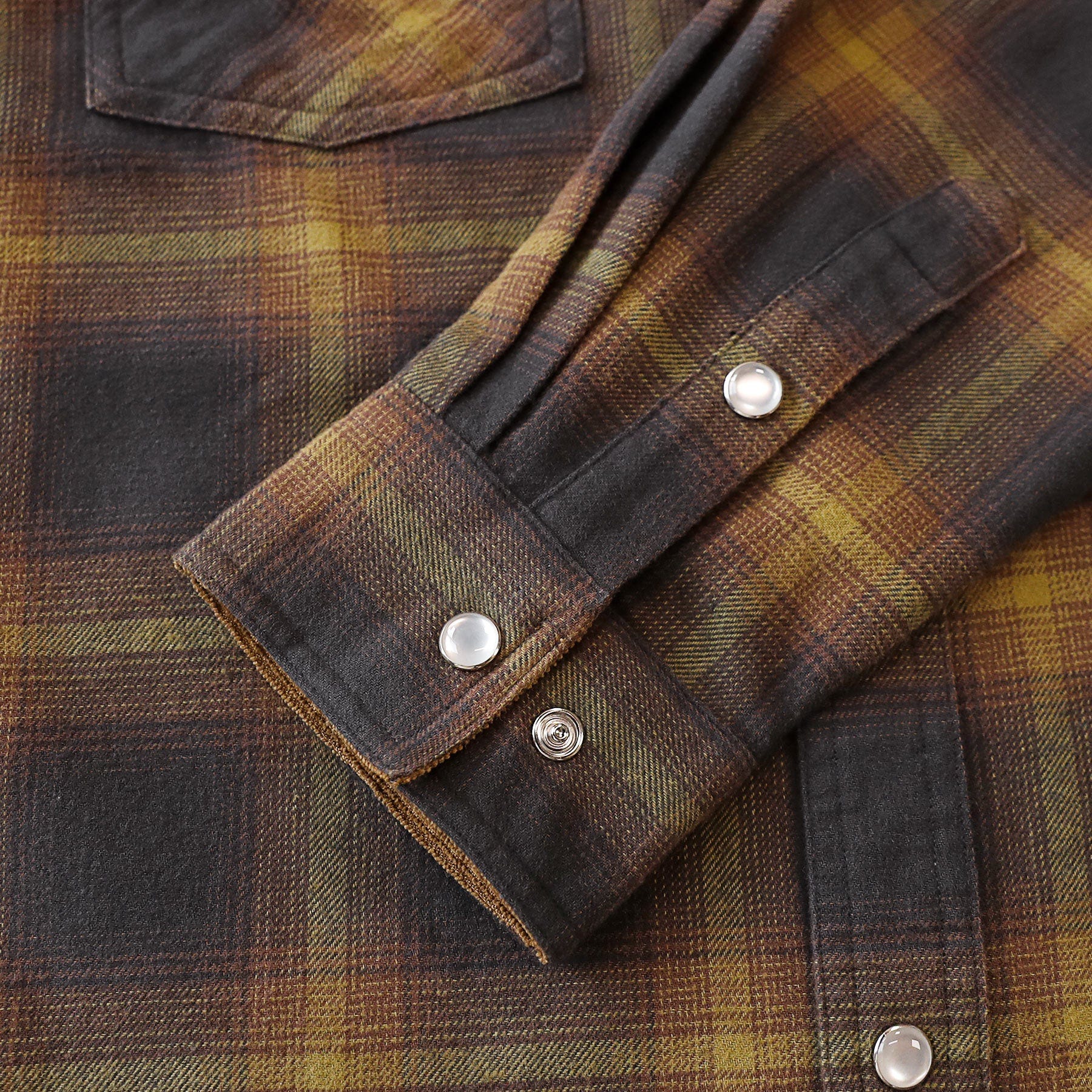
There is one other aspect of Western shirting that is a bit more unique: pearl snaps. Snaps as an alternative to buttons are a major convenience. They make dressing a quicker affair, and they easily come undone if a cowboy finds himself caught in a snag or on barbed wire. Today, they’re the most striking detail on Western shirts.
If you feel a bit timid looking into a western shirt, look for an option with a western yoke but normal buttons. If you want something a bit more exciting, a white pearl snap, or even a turquoise snap can be a good next step.
Cowboy Boots
The most obvious item of Cowboy clothing is the eponymous cowboy boot. A tall shaft, a high tapered heel, and a pointed toe maintain comfort and safety when riding a horse. Aesthetically, those details result in boots with a sleek, aggressive look.
Cowboy boots with these details, especially a high heel of 1.5-2 inches, can work with all levels of formality depending on their leather. While most exciting options for casual wear come from lightly colored exotics like alligator or ostrich, the most formal dress boots are made of pristine soft calf or goat leather.
If the big heel typical of proper cowboy boots is a bit too far out there for you, a roper might be a better option. Ropers have a lower shaft, a more blunt round toe, and a shorter walking heel. They tend to be less distinct. If you want a western look without too much pomp and circumstance, a roper is the way to go.
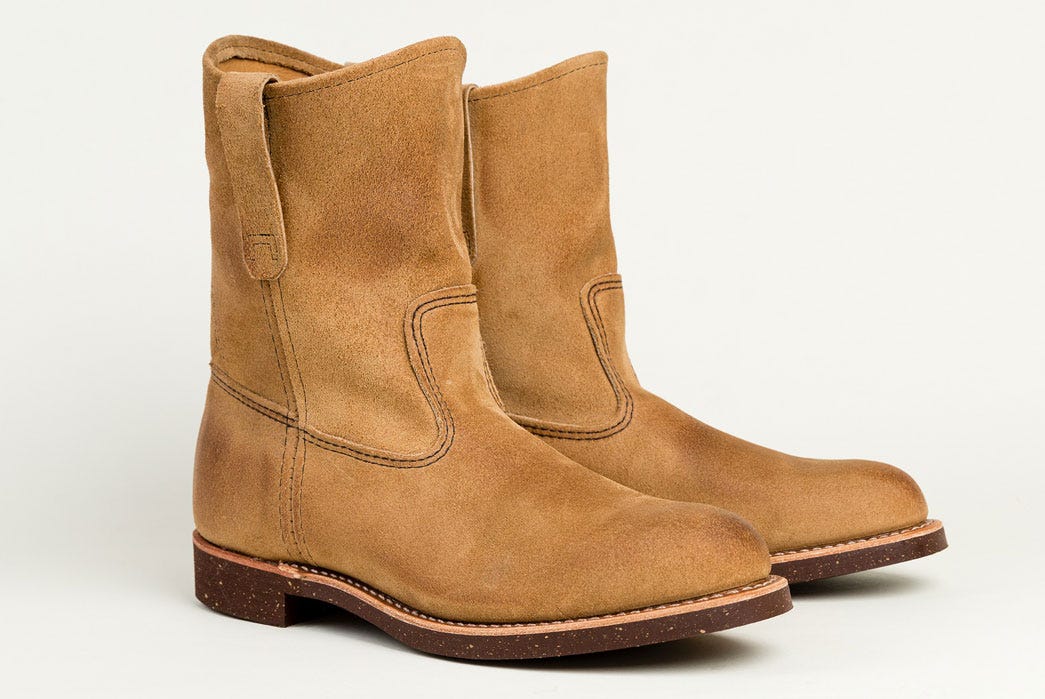
There is a lot of buzz these days about square-toe cowboy boots. They usually have a wide square shape, a lower walking heel similar to a roper, and a roomier shaft. They were initially designed as a more comfortable option for Cowboys who were spending less time in the saddle. This extra comfort has made them the most popular boot style in the last few years, but personally, I would steer clear of them. The most striking look comes from wearing boots with a slimmer toe and a higher heel. If you need comfort, the lower roper heel is the proper compromise. But if you’re choosing to wear boots for the look, this is worth prioritizing.
Before we conclude this section on boots, there is an important detail you might not have considered. The tall, wide shaft of a pair of cowboy boots is going to interact differently with your pants than you might otherwise be used to. While most shoes wrap closely around your ankle bone (even equestrian boots from other cultures, like the Chelsea or Jodhpur), cowboy boots sit away from the ankle.
This means they require a sufficiently sized knee, calf, and leg opening measurement from whatever pants will be paired with them. If your pants aren’t generous enough, they’ll either sit on top of the boots or cling to the shaft. Both are immediate signs of a poser. Make sure you wear pants that fit over your boots with ease.
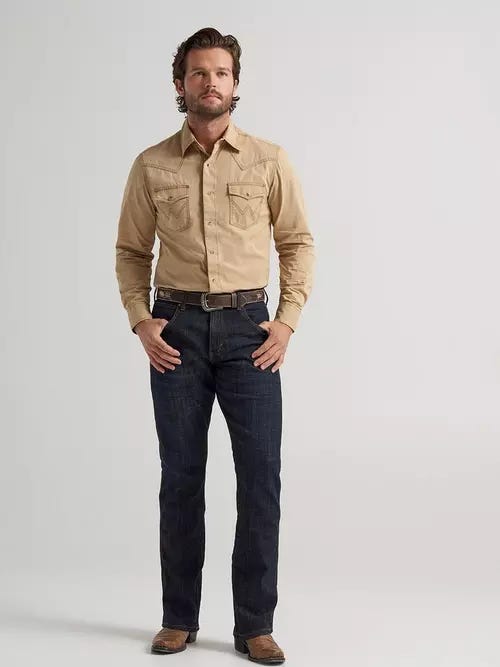
To clarify, this doesn’t mean that pants have to be wide or baggy to be worn with cowboy boots. In fact, excessively wide pants can look quite bad due to the contrast with slim toes. The Wrangler 13MWZ, the most popular western jean in the world, is a slim-straight fit with a moderate taper below the knee. I prefer to wear wider straight-fit jeans with my western boots, as I prefer a classic mid-century look.
All things considered, though, Western shirts and cowboy boots are easy enough topics to understand. As long as your shirt is tucked into your pants, and your pants aren’t tucked into your boots, it’s hard to go wrong.
But the real secret to embodying an authentic Western style without looking like you’re LARPing comes down to one key skill: formality mixing. Knowing how to pair a dinner jacket with jeans, or boots with a button down—not to mention a cowboy hat!—isn’t something that comes naturally to most.
But fortunately, there are a few rules to follow to make sure you don’t lose your way…
