

Does Modesty Matter for Men?
A discussion that's long overdue...


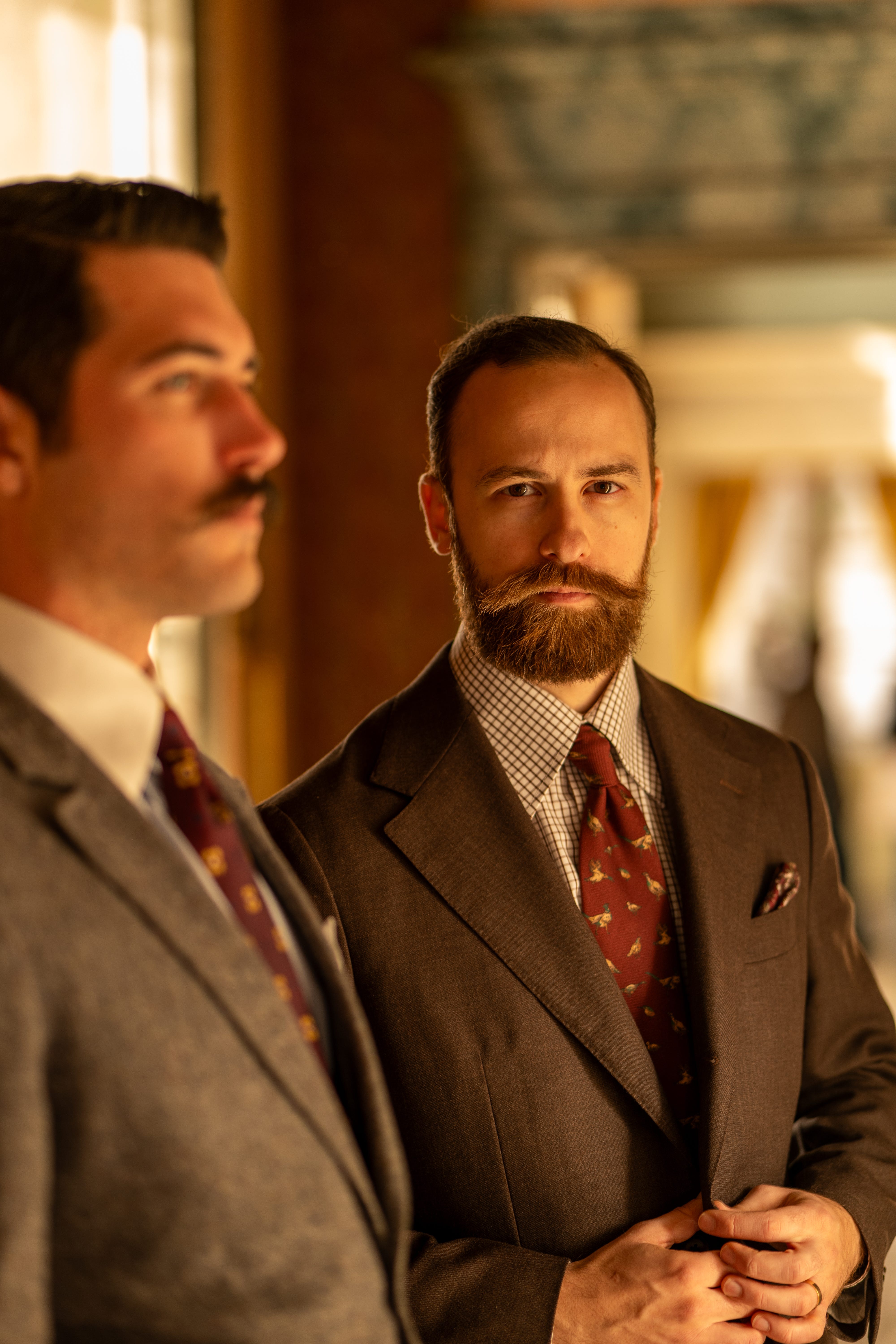
Discussions of modesty in dress usually revolve around women and what they should or shouldn’t wear. You hear about women’s modesty so often you could be forgiven for thinking that men are off the hook entirely.
But despite what most people think, modesty is still an important consideration for any man who wants to dress properly and respectfully.
As St. Francis de Sales reminds us: “St. Paul expresses his desire that all Christian women should wear ‘modest apparel, with shamefacedness and sobriety;’— and for that matter he certainly meant that men should do so likewise.” If you as a man are going to be serious about it, you’ll recognize that modesty isn’t just a woman’s responsibility. It’s an obligation shared by both sexes to treat ourselves, and each other, with love, respect and dignity.
Today, we examine why the discussion on modesty usually focuses on women, what modesty means for men, and why it matters for you. By the end, you’ll have a better understanding of both why and how to apply this often-overlooked virtue to your life…
Our mission here at Letters from the Old World is to share the secrets of Old World elegance, and our approach is two-fold:
1) Every Wednesday, we send a free article exploring the theology and philosophy of why beauty matters, particularly in regards to decor and dress.
2) Every Friday, we send What’s In a Fit, a members-only article exploring practical tips and guidelines for dressing well.
If this resonates with you, then subscribe below to join the aesthetic renaissance.
Why Men’s Modesty Is Rarely Discussed
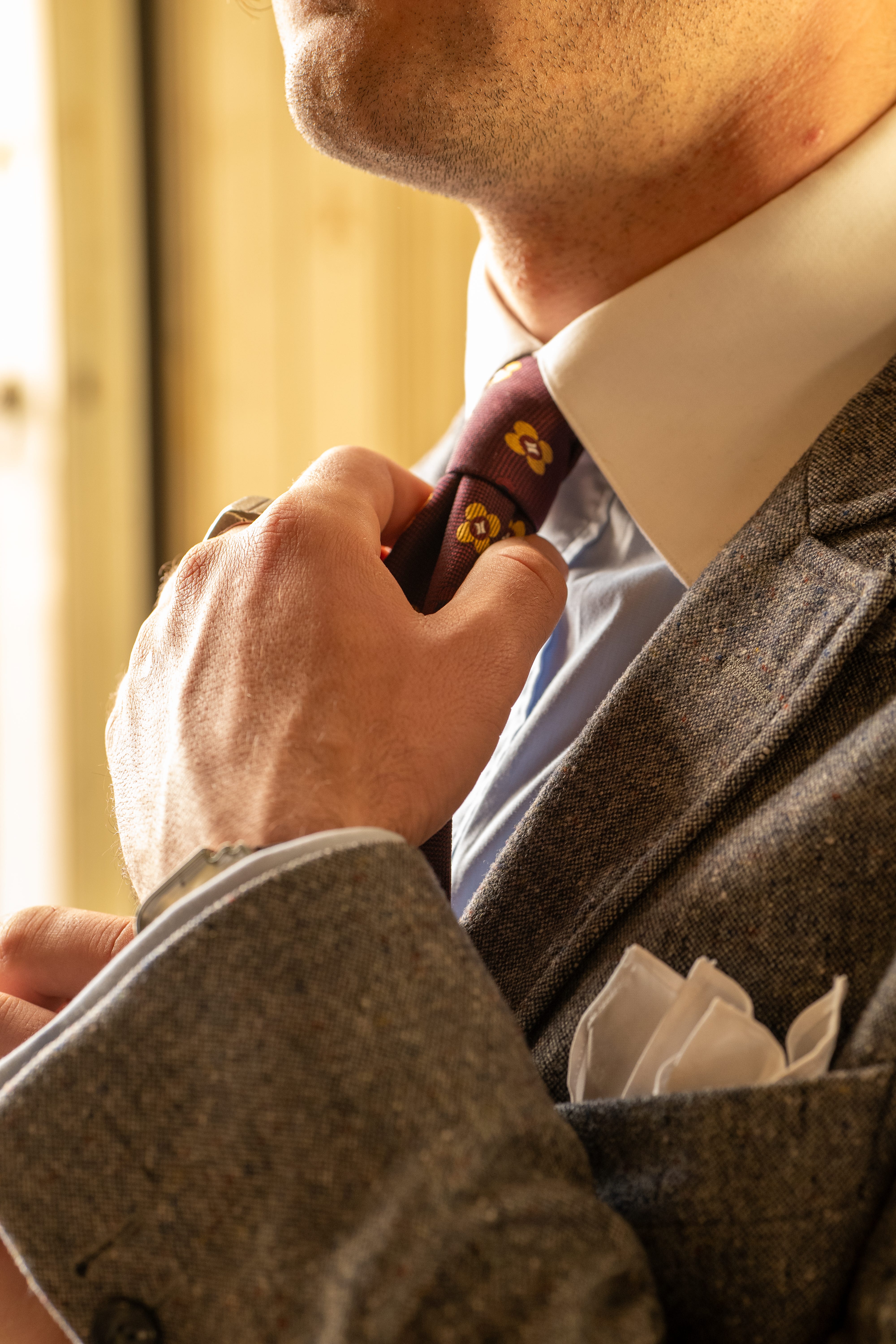
Though it’s a complex topic, the reason men and women approach modesty differently is because they’re wired differently. The common understanding is that men are more visually oriented, whereas women require more wide ranging, and often more “holistic” stimuli, to generate arousal. This historically meant that women’s bodies were considered a far greater temptation to sinful thoughts for men than vice-versa.
You’ll find this presumption even within Christian thought. Notably, Aquinas’ Summa Theologia dedicates a section to the potential sinfulness of women’s adornments. He cautions that “a woman’s apparel may incite men to lust,” but does not share the same caution regarding men’s clothes. Even Christ himself warned that “whoever looks at a woman to lust for her has already committed adultery with her in his heart.” While the spirit of this goes both ways, Jesus’ choice to warn against looking at women in particular is not arbitrary.
Science seems to back up this asymmetry at least some of the time. For instance, men are typically more interested and responsive to sexually arousing visuals than women, and their amygdala and hypothalamus respond more intensely. Another study that tracked both men and women’s eye movements when looking at arousing images found that “[m]en and women exhibit different neural, genital, and subjective arousal responses to visual sexual stimuli.”
But today’s rock-hard evidence is tomorrow’s debunked findings, and there are conflicting accounts on this topic. One 2019 meta-analysis, for instance, claimed that “there is no functional dimorphism in response to visual sexual stimuli between men and women.”
If you’re reading this, odds are you’re not turning to studies to resolve questions of morality. After all, whether women’s response to sexually suggestive dress is equal to or less intense than men’s, we can all agree the Magic Mike franchise didn’t make 350+ million worldwide because women were captivated by the plot. Women have eyes and are not immune to lust.
Just as the godly women in your life take pains to dress modestly, the least you can do as a man is return the favor. But of course, men bring their own particular vanities to this question, including an inclination to acquire and boast of status.
So what does it mean for a man to dress modestly?
What Is Modesty, Anyway?

With regard to clothing, modesty requires especially two things: first, care that one does not make purity difficult for oneself, or for others, by one’s own mode of dress; and, second, a prudent but firm and courageous resistance to the styles and customs, no matter how popular or widespread, or adopted by others, which are a danger to purity.
-Archbishop Albert G. Meyer
If you want to dress modestly, it’s important to understand what the term means.
The Catechism of the Catholic Church [CCC 2521 – 2524] teaches that “[m]odesty protects the intimate center of the person. It means refusing to unveil what should remain hidden.” It explains that modesty “inspires one’s choice of clothing” but also that there is modesty of feeling, not just of the body. This means the modest man objects to media that displays excess in that which should be private and can “resist the allurements of fashion and the pressures of prevailing ideologies.”
Though the Catechism acknowledges that modesty changes depending on context and culture, there is nevertheless “an intuition of the spiritual dignity proper to man” common to every person. This point about moral intuition is reiterated by St. Augustine in Book XIV of The City of God:
All nations, being propagated from that one stock [Adam and Eve], have so strong an instinct to cover the shameful parts, that some barbarians do not uncover them even in the bath, but wash with their drawers on.
Thus, while you can recognize and acknowledge the fashions of the places you live, you also carry within you the sense of what is and is not dignified at a level deeper than culture. This also means your pursuit of modesty brings with it the ability to resist fashions insofar as they run contrary to this intuition.
So, what should you do if you want to incorporate this understanding of modesty into how you dress?
The Bare Minimum
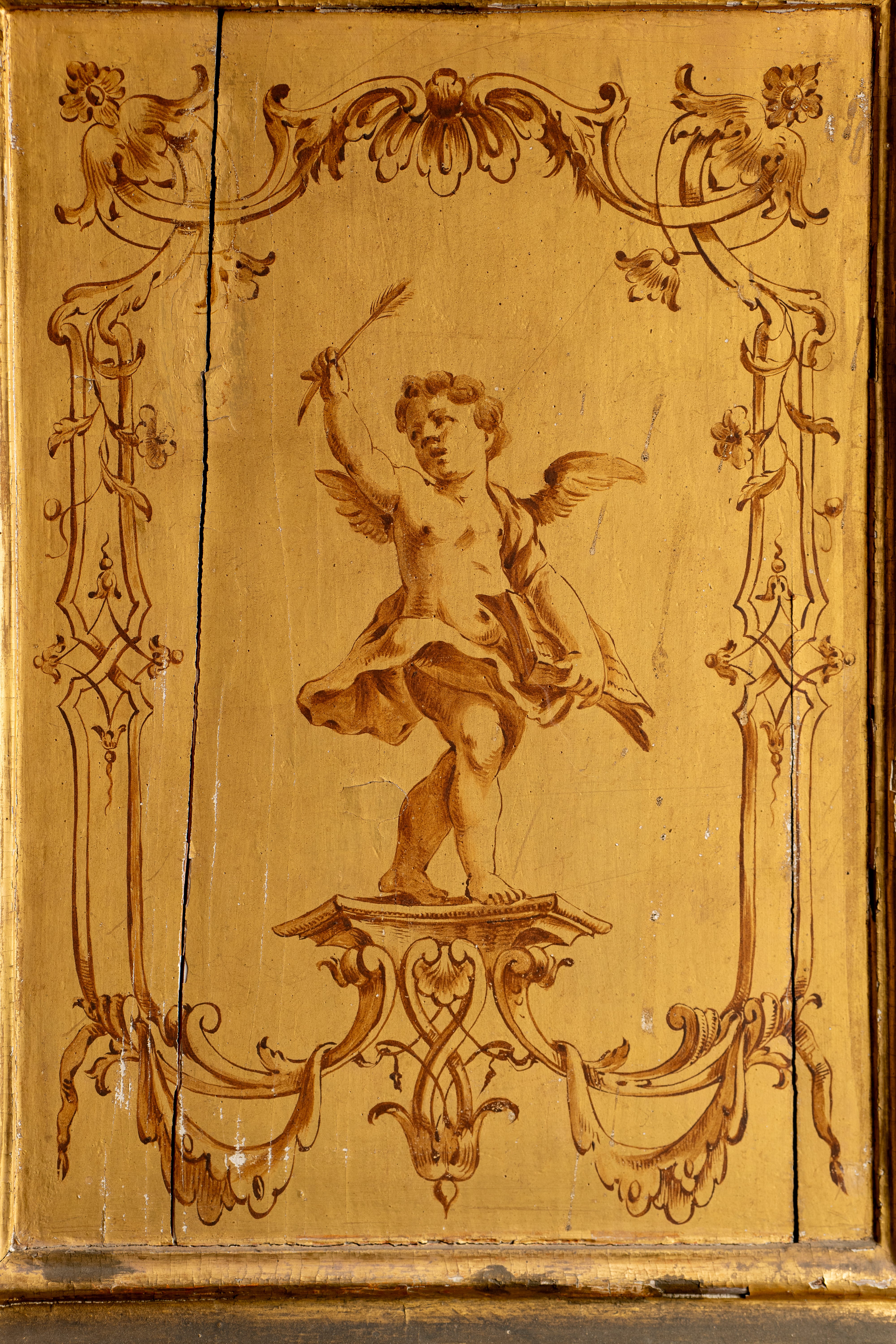
Compared to women, there are few practical guides for men in the context of modesty. Nevertheless, there are a handful. For instance, a 1946 address from a group of Canadian bishops states:
[M]an himself does not escape from the inclination of exhibiting his flesh: some go in public stripped to the waist, or in very tight pants or in very scanty bathing suits. They thus commit offenses against the virtue of modesty. They may also be an occasion of sin (in thought or desire) for our neighbor.
In Fig Leaves Are Not Enough Benedictine monk Pius Mary Noonan carves out a small section near the end of his book reiterating the Canadian bishops’ advice. He explicitly warns against things you could likely have guessed were immodest, such as tight trousers, short shorts, low-cut trousers that expose undergarments, muscle shirts, low-buttoned shirts, going shirtless and immodest bathing suits.
But while Noonan acknowledges such practical advice helps prevent others from sinning in their hearts, he writes that “the more urgent problem in regard to men’s dress is the fact that it has become overly casual, even in church.” In other words, dressing provocatively isn’t as pressing an issue as putting too little care into what you wear.
As we’ve detailed elsewhere, you have a responsibility to those around you to look presentable in public, to bring beauty rather than slovenliness into the world. The casualness of dress you see around you is undoubtedly the fashion of our times, as even billionaires and CEOs are dressing down. But when fashion and faithfulness diverge, as you’ve seen, the modest man knows he must resist the fashionable.
So how can you do that?
Tradition: An Antidote to Fashion
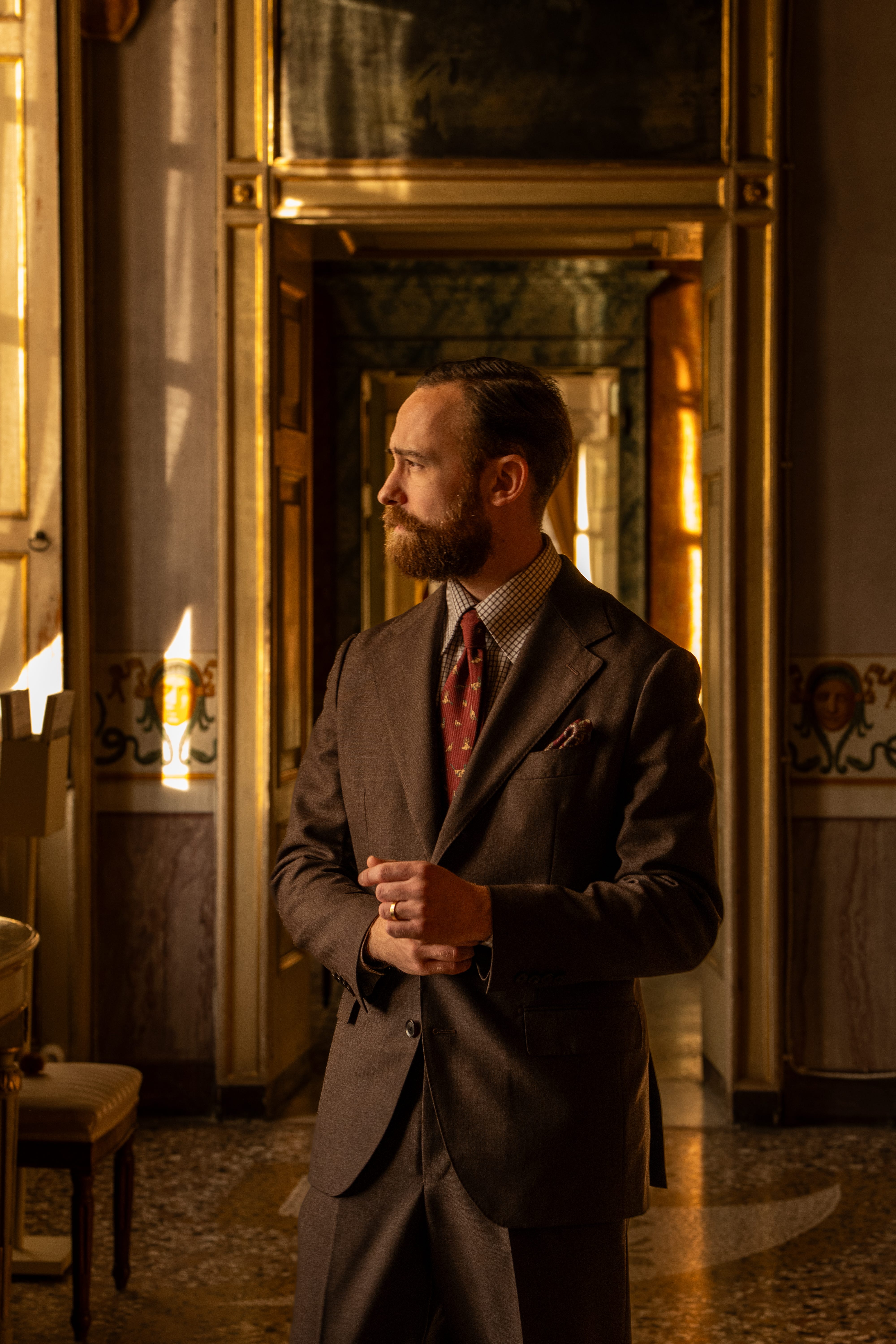
When you are cautioned to resist fashion, do not misinterpret this as “don’t try to look put together.” Instead, understand that you are asked to operate on a more fundamental level than which colors or cuts are being worn by your peers. Instead, rather than opt for passing trends or fast fashion, which by design keep you in a cycle of discontent and overconsumption, you can choose its antithesis: tradition.
Whereas fashion comes and goes, classic menswear maintains core principles rooted in an ordered and meaningful tradition. Such traditions, established at a time when modesty was a non-negotiable, conserve a sense of privacy for intimate things while still presenting a dignified image to the world.
Take for instance that old staple, the suit. When properly tailored to your body, it functions as a sort of uniform, a standardized shape that precedes you, naturally limiting the temptations to excessive, vulgar and vain self-expression. This standard means there is always part of the you that is not exposed to the world, a part which, in essence, remains hidden beneath the suit. But the suit still provides you with room enough for self-expression; color, pattern, material, shoe, shirt, belt or pocket square pairings, there’s still a lot to work with.
The suit is not the be all end all of men’s fashion. In fact, it’s not even necessary once you know how to dress. Rather, it’s just one example of the shared visual language that classic menswear has established. Even a look as simple as a sports jacket with chinos is a recognizable, stylish “type”. Such classic outfits draw from and pay homage to a legacy created by men who took themselves seriously. If you follow their lead, they will provide you with a way out from the trends, fashions, and ideologies that prefer to direct you, and the world, to unsavory, immodest ends.
The Bottom Line

Modesty conserves the privacy of the body. It says there are parts of you that God didn’t intend for everyone. It asks you to be considerate of what others see when you walk out the door. More than just clothes, modesty is an attitude, a recognition that how you look affects both yourself and others.
When done with an eye to tradition, incorporating modesty into your life and wardrobe undoubtedly improves both. It allows you to face down today’s performative culture with the quiet, confident restraint of a man continuing a legacy. It testifies that there is a better way to be present in the world, one that outlasts every fashion.
Love the message about dressing in a way that shows you take yourself seriously
Yes.