

The Politics of Elite Dress
When clothing betrays contempt...



A man with the net worth of a small country walking around in jeans and a t-shirt might seem humble. After all, here’s someone who could afford to dress however he wants, and has chosen to wear the same thing he’d have worn before he made it big.
But what’s actually happening is that he’s signaling, both to his peers and the rest of us, who is worthy of respect. And surprise, it’s not you. When billionaires dress in such slovenly fashion, they’re not displaying fraternity with, but rather contempt towards, the common man.
Instead of leading by example and dressing according to their station, many of the billionaire class reject the responsibility inherent in their position. It’s a lie by admission, and one indicative of their disdain for duty. But once you learn to see it for what it is, this contempt can serve as a teachable moment for you, no matter your station in life.
Today, we dive into why the new elites dress like they don’t care about you, how this wasn’t always the case, and what you can learn from their failure.
So, why do the powerful do this?
Our mission here at Letters from the Old World is to share the secrets of Old World elegance, and our approach is two-fold:
1) Every Wednesday, we send a free article exploring the theology and philosophy of why beauty matters, particularly in regards to decor and dress.
2) Every Friday, we send What’s In a Fit, a members-only article exploring practical tips and guidelines for dressing well.
If this resonates with you, then subscribe below to join the aesthetic renaissance.
The Problem Today
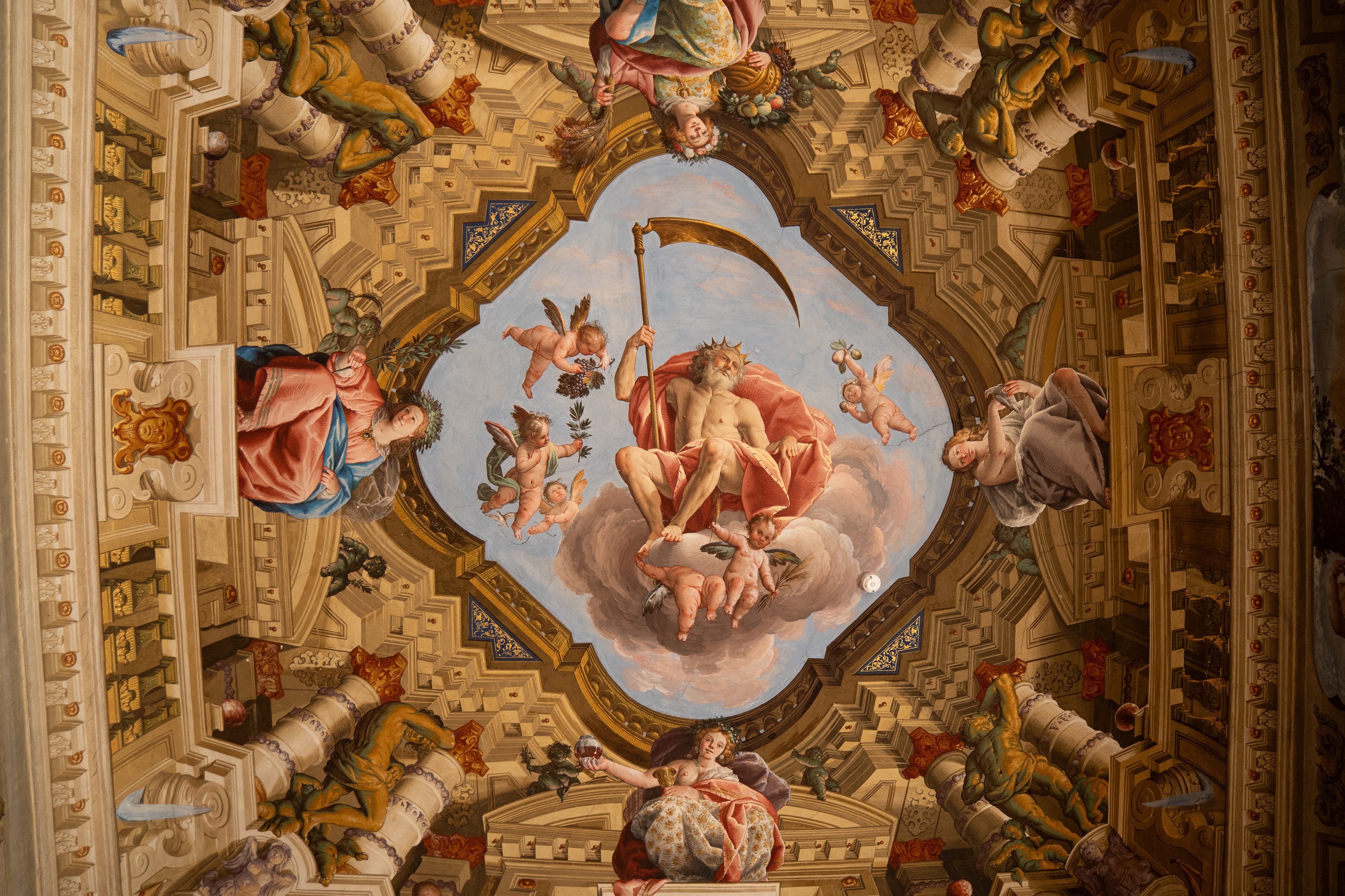
In philosopher Plinio Corrêa de Oliveira’s Nobility and Analogous Traditional Elites, he uses speeches given by pope Pius XII as guides to argue that nobility as a class is an organic product of society. As hierarchies are inherent in society, he writes, even those without traditional aristocracy naturally produce new nobilities, which he calls analogous elites. These analogous elites have a duty to embody continuity, decorum and duty to their people.
Today, Oliveira argues, where there should be analogous elites, we often find a bourgeois or antithetical elite mentality instead. For Oliveira, these antithetical elites maintain materialist attitudes that do not aspire to uphold anything and lack spiritual profundity. They seek the power that comes with being in a position of influence, but reject the duties traditionally correlated with those positions:
Concretely, this new “nobility” frequently is not, nor could it be, a true nobility, foremostly because a great part of its members do not wish to be noble.
In fact, egalitarian prejudices, which so many of these lineages have cultivated and flaunted since their origin, lead them to differentiate themselves progressively from the old nobility, become insensible to its prestige, and, not infrequently, downgrade it in the eyes of the world. This is done not by a forced elimination of the characteristics differentiating the old nobility from the masses, but by this new “nobility’s” ostentation of a characteristic willingly cultivated for demagogic purposes. This characteristic is vulgarity.
While the historical nobility was and wanted to be an elite, this modern antithesis of the nobility frequently prides itself in not differing from the masses. It strives to camouflage itself with the ways and habits of the masses, purportedly to escape an impending vengeance of the demagogic egalitarian spirit. This spirit is usually fanned by the mass media whose owners and top executives paradoxically often belong to this same antithetical nobility.
A recent Ipsos poll surveyed more than 23,000 people across 31 countries, and the results show why elites would want to downplay visible markers of authority. The study found that 68% of respondents felt the economy was rigged to advantage the rich, 64% felt traditional politicians and their parties didn’t care about them, and nearly half of respondents expressed desire for “a strong leader willing to break the rules” to fix their country. This animosity explains, in part, why those with the greatest say in world affairs would want to appear as an “everyman.” If ever there was a time to not look like you’re in charge, it’s now.
Through this show of “humility”, those at the top can discharge themselves of responsibility. It doesn’t matter that providence has thrust them into positions of power and influence, they’re “just some guy,” a complete renunciation of Christ’s warning in Luke 12:48 that “From everyone who has been given much, much will be demanded; and from the one who has been entrusted with much, much more will be asked.”
But of course, this isn’t the only reason elites dress the way they do.
The Counter Signal
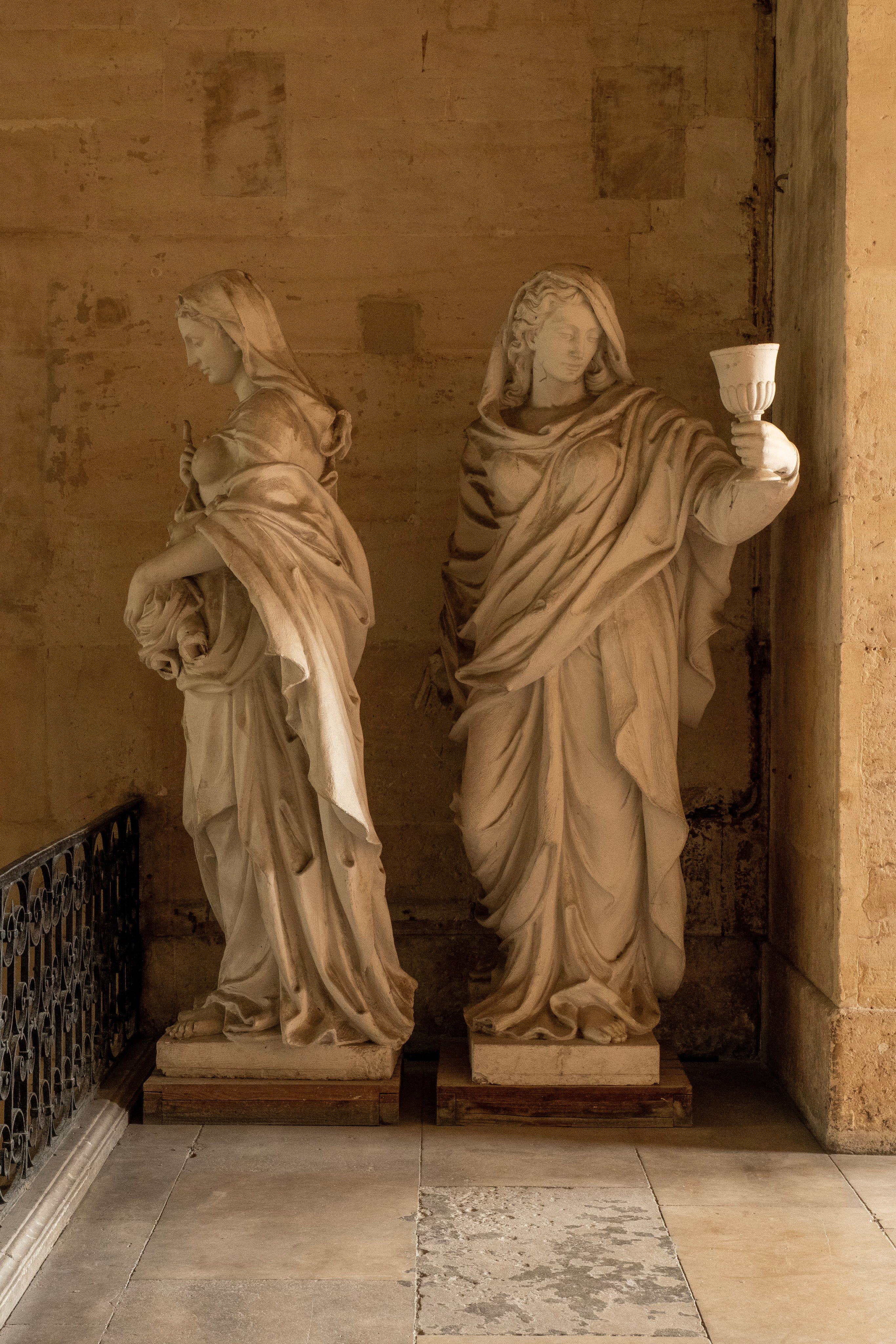
There is an additional layer to the elite slovenliness of today which deserves recognition, which is a subtle indication of their power to disregard the manners expected of others. One study from Harvard looked at how people react to nonconformist behaviors like entering a luxury boutique in athletic wear, or wearing red sneakers in a professional environment. They found that “nonconforming behavior, as a costly and visible signal, can operate similarly to conspicuous consumption and, as compared to conforming behavior, lead to inferences of enhanced status and competence in the eyes of others.”
This is known as countersignaling, performing low status actions as a way to signal high status. In dress, the counter-signaler disrespects traditional mores to show they can get away with not caring about how they look. Ironically, by dressing like the worst version of the average person, they communicate just how different they are from you. Todays’ powerful no longer display themselves as such, because immunity to social pressure is their display of power.
To be clear, this is not all billionaires or elites. There are many examples of people in positions of power who dress with respect to their station. But there are enough prominent counterexamples that the trend cannot be ignored.
These “leaders” may not be good models, but fortunately, we can draw from history instead.
It Wasn’t Always This Way
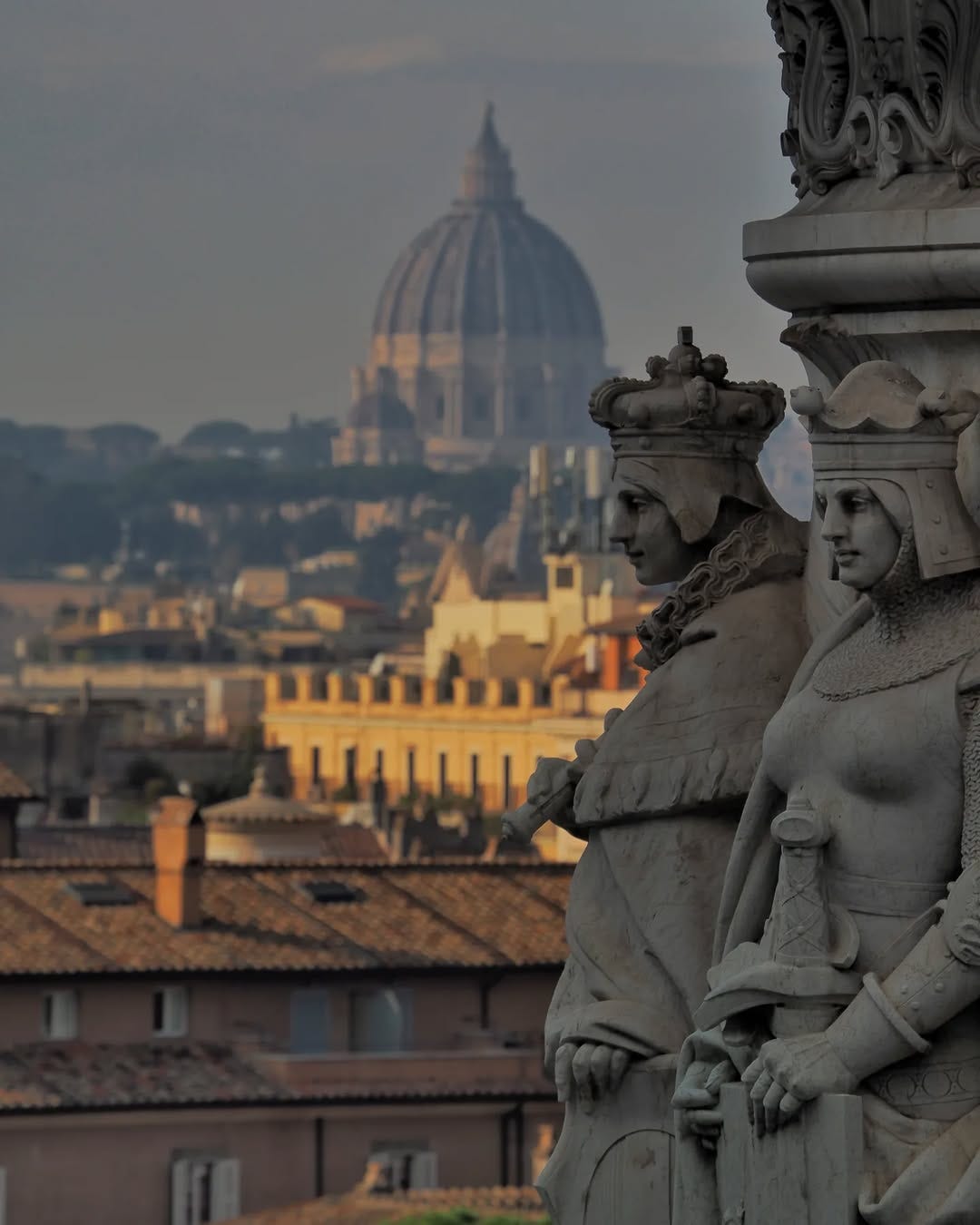
In Johann Kurtz’s recent book Leaving a Legacy, he recounts that founding father John Hancock’s refusal to dress down when meeting with common people was understood as a matter of respect:
Hancock engaged the poorest in society without ever pretending to be what he was not: one of them. He would visit them in his golden carriage, dressed in lace-frilled shirts and silver-buckled coats. Indeed, he recognized that he was dignifying them by doing so; letting them know that they were worthy of the time and attention of a prince of the city.
Kurtz cautions that Hancock was not perfect, as his wardrobe eventually counted more than 100 outfits and likely approached vanity. Nevertheless, Hancock’s example demonstrates a duty that those in positions of power once recognized, one that today’s new elites eschew, namely that “The purpose of fine dress and living is to project taste, beauty, order, care, and hierarchy out into one’s community, that they might be inspired to pursue the same virtues.”
Similarly, St. Louis IX of France, a king renowned for his pious demeanor and care for the poor, understood that those in power held a duty to their subjects to present themselves properly. In the Life of Saint Louis, a biography of the saint written by Jean de Joinville, the author transmits this bit of wisdom which Louis was fond of sharing: “He often said that people ought to clothe and arm themselves in such a way that men of riper age would never say they had spent too much on dress, or young men say they had spent too little.” It was understood that the king’s outfits would be understood as setting an example for others, and so he endeavored to avoid both excess and deficit in dress, a balance he hoped others would emulate.
In this, the only canonized king of France echoes Thomas Aquinas, who in the Summa Theologiae warns against both the sin of excess and the sin of deficiency in clothing. Aquinas goes even further than Louis, however, in that he carves out a specific caveat for those in what he calls positions of dignity who “are attired in more costly apparel than others, not for the sake of their own glory, but to indicate the excellence of their office or of the Divine worship: wherefore this is not sinful in them.”
So what does this mean for you?
What You Should Be Doing
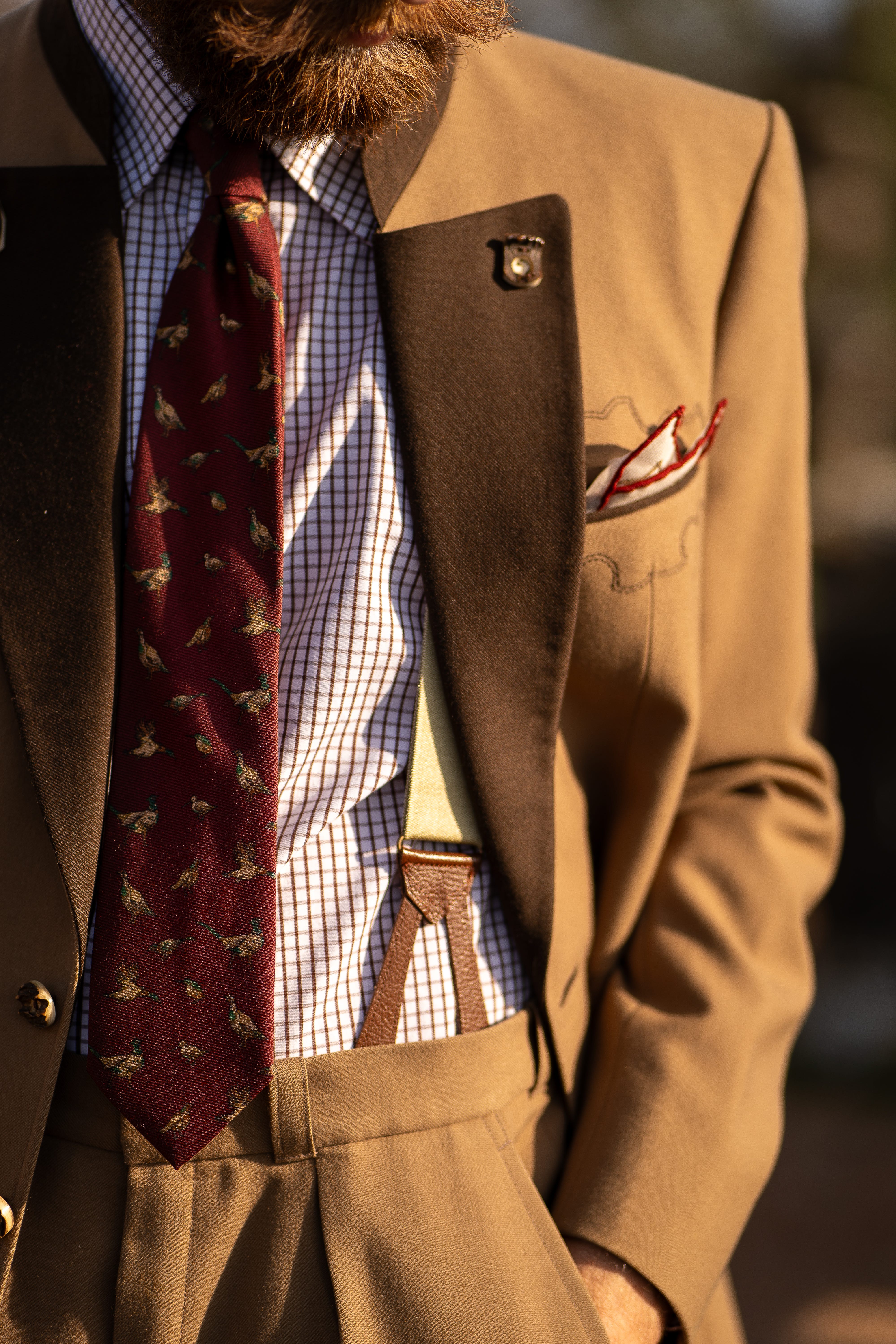
Whether it’s at home, work, in sports or with friends, there will be times when people will look to you as a leader.
Helpfully, Oliveira’s Nobility and Analogous Elites outlines two essential principles which once defined a noble, and which make for good starting points. The first was to be a “Christian hero,” ready to sacrifice for the good of his king and people. The second was that he and his family should give a good example to subordinates and peers alike:
In virtue as in culture, manners, taste, the decoration of the home, and celebrations, their example had to motivate the whole social body so that everyone would improve in every field.
These recommendations acknowledge what you likely knew instinctively: when you are in a position to lead, your every act, right down to your dress and choice of décor, is an opportunity to model proper behavior. As we’ve written elsewhere, dressing well is a sign of respect for those around you. That respect matters most when you lead. It fosters greater relations with those around you, and gives others permission to rise above the low bar our culture has set.
Dress with honesty and respect for the position you hold, and you show respect for those around you. Maybe you even give them something to emulate.
The Bottom Line
Dressing haphazardly benefits the billionaire class in three ways: it helps them avoid looking like they’re in charge, it allows them to deny they have any responsibility as a de facto leader, and it allows them to show how little they care about what anyone thinks.
But, as frequent readers of Letters from the Old World know, the human drive towards the good and the beautiful means this cultural nadir must be resisted. Clothing as a visual language is a signifier of your values made manifest. Too many among the current billionaire class have rejected the responsibilities of acting according to their station, and their dress is just one more way this rejection is made visible.
Being a leader means recognizing that your actions communicate what is, or should be, normative for your station. If you, dear reader, hold, or aspire to hold, such a position, remember to dress like your example matters. Because now more than ever, it does.
A profound piece as always!
My husband and I attended a military ball last weekend. He wore his formal uniform, while I was in a floor-length, vintage-style gown, complete with some of my late great-grandmother's evening accessories and my other grandmother's fur stole. As we walked past the lobby at our hotel, several people made a point of dropping what they were doing to come over and tell us how beautiful and handsome we looked.
Whoever wishes to argue that dressing well does not confer authority has never witnessed firsthand the reactions people have to a military uniform, and not just the dress uniforms for formal events. The regular, everyday flight uniform produces similar results.
“Bill, the problem isn’t that Windows isn’t a decent operating system. It is. The problem is you have no … taste.”
- Steve Jobs (from a joint interview with Gates, somewhat paraphrased)